
Protect Your Herd from Dangerous Plants & Foodstuffs
Alpacas possess delicate 3-chambered forestomachs and unique metabolic sensitivities. Explore our verified database of toxic shrubs, weeds, trees, and improper foodstuffs to keep your pasture safe.
Recent Scans
Tap a card to revisit its risk assessment
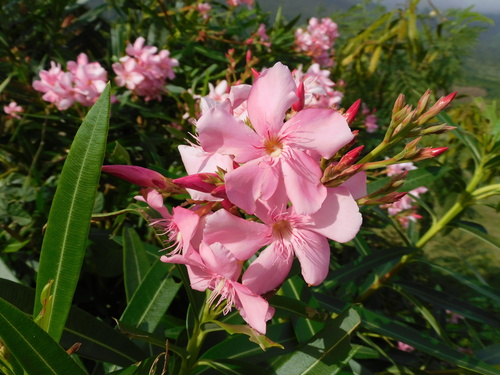
Oleander
Score: 10/10Nerium oleander
Extremely toxic ornamental shrub. Even a single leaf can be fatal to an alpaca. The toxins cause severe cardiac arrest and gastrointestinal hemorrhaging.
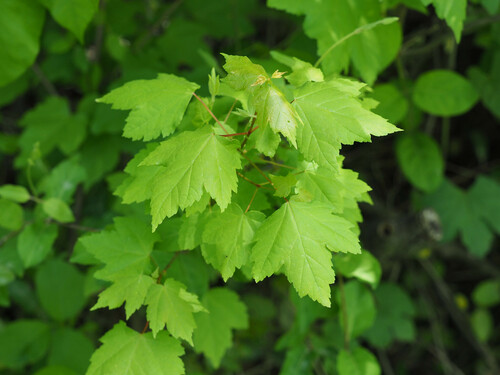
Red Maple & Maples (Acer)
Score: 8.5/10Acer rubrum
Official Alpaca Guild listing includes Acer species. Wilted or dried leaves (fallen in autumn or storm-broken branches) cause severe oxidation of red blood cells in camelids.
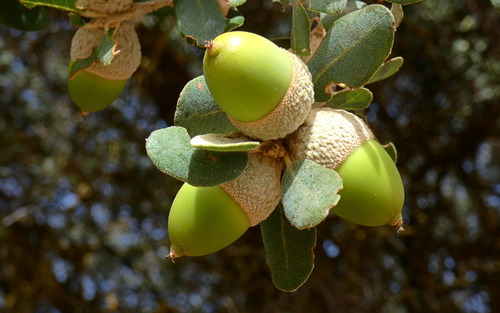
Oak Leaves & Acorns
Score: 6.5/10Quercus spp.
Listed by Alpaca Guild. Eating large quantities of green acorns or spring oak buds causes tannin poisoning which damages the kidneys and gastrointestinal tract of alpacas.
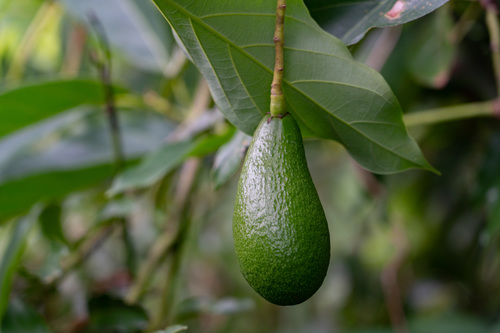
Avocado
Score: 7.8/10Persea americana
Listed on Alpaca Guild. Alpacas are exceptionally sensitive to persin found in Guatemalan avocado leaves and pits.
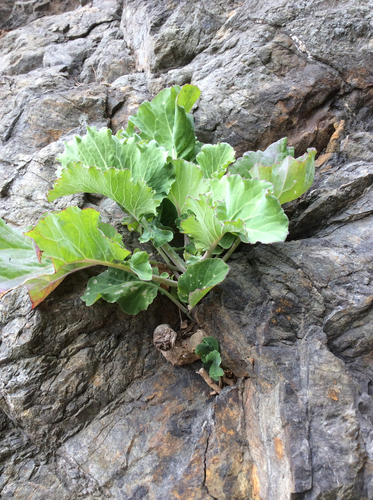
Brassica (Cabbage, Broccoli, Kale, Brussels Sprouts)
Score: 5.5/10Brassica oleracea spp.
Featured in Alpaca Guild official guide. Excessive feeding of cruciferous brassica crops causes metabolic disruption in camelids.
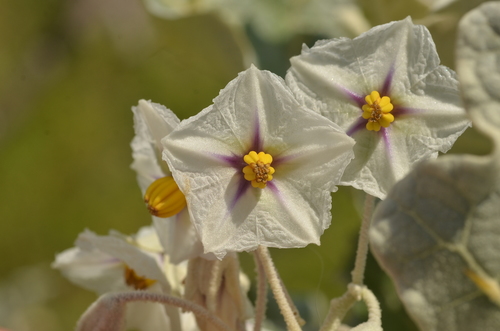
Nightshade & Solanums
Score: 8.2/10Solanum spp.
Featured in the official Alpaca Guild toxic plant directory. Unripe berries and green foliage contain neurotoxic glycoalkaloids.
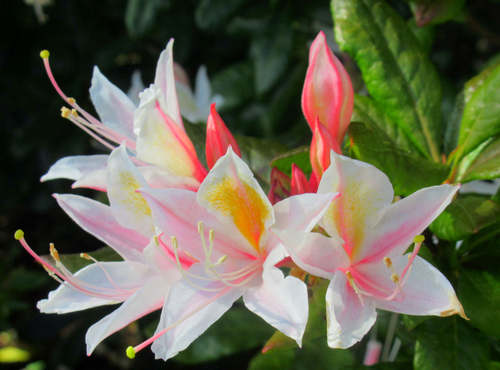
Rhododendron & Azalea
Score: 9.5/10Rhododendron spp.
Rhododendrons and azaleas contain grayanotoxins which disrupt sodium channels in cell membranes. Alpacas find them tempting in winter or early spring when forage is low. Ingestion can be rapidly fatal.
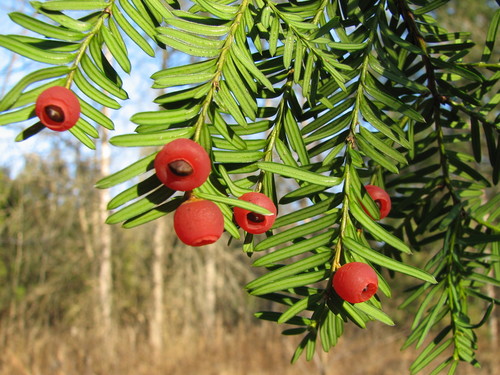
Yew
Score: 9.8/10Taxus spp.
Yew poisoning is notoriously swift. Alpacas can die within 1-2 hours of ingestion due to cardiac arrest caused by taxine alkaloids inhibiting cardiac conduction.
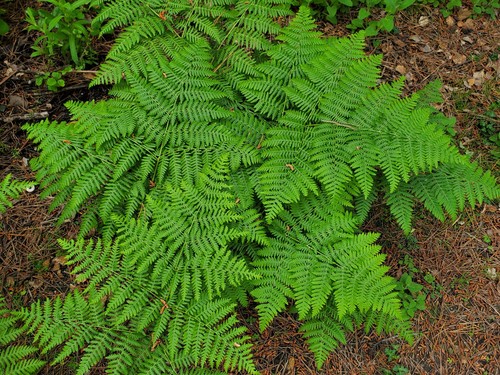
Bracken Fern
Score: 8/10Pteridium aquilinum
Bracken fern destroys thiamine in the alpaca's digestive system or introduces carcinogenic toxins. Dangerous when invading pastures or accidentally baled into grass hay.
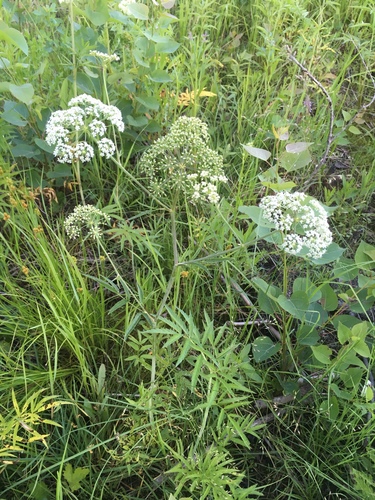
Water Hemlock
Score: 10/10Cicuta maculata
Official Alpaca Guild toxic listing. Alpacas grazing near creeks or swampy pastures may unearth the tuberous roots.
Acer
Score: 8.5/10Acer spp.
Wilting leaves from Red Maples and related species cause oxidative damage to red blood cells, leading to severe anemia.
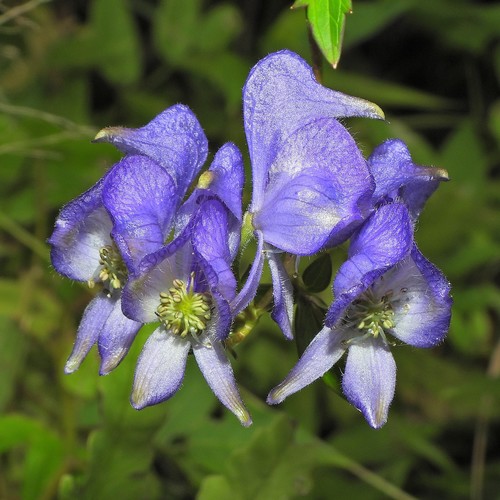
Aconite
Score: 10/10Aconitum spp.
Extremely lethal wildflower that affects the nervous and cardiovascular systems; even small ingestions can be fatal.
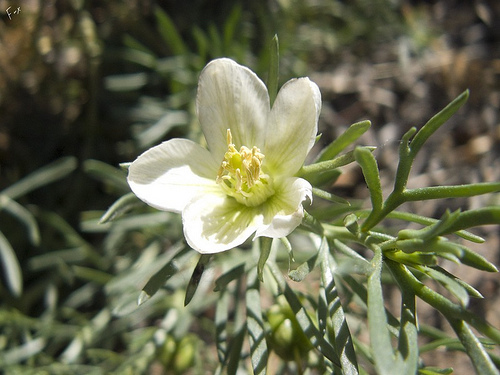
African rue
Score: 8/10Peganum harmala
An invasive desert weed that is highly unpalatable but contains potent alkaloids affecting the central nervous system.
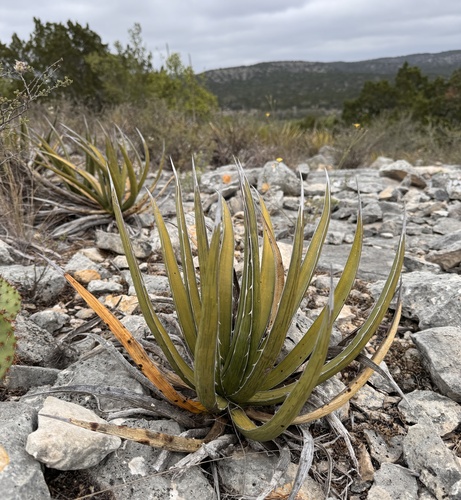
Agave Lechuguilla
Score: 7.5/10Agave lechuguilla
A desert succulent that causes hepatogenous photosensitization, leading to severe skin damage and liver dysfunction.
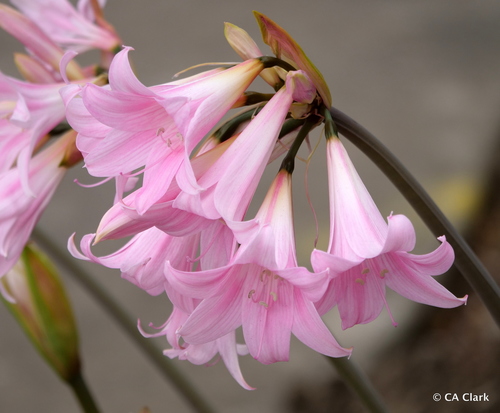
Amaryllis
Score: 6/10Amaryllis spp.
Common ornamental bulbs containing alkaloids that cause significant gastrointestinal distress and potential neurological signs.
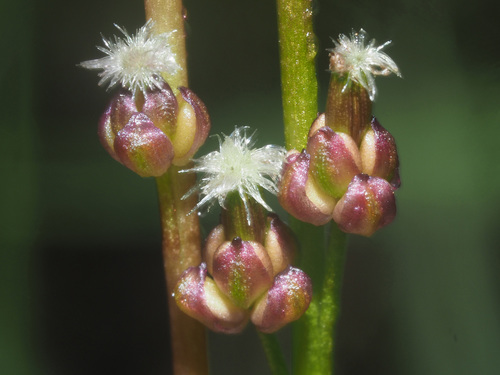
Arrow Grass
Score: 9.5/10Triglochin spp.
Found in marshy areas, this plant releases hydrogen cyanide when damaged, preventing cells from utilizing oxygen.
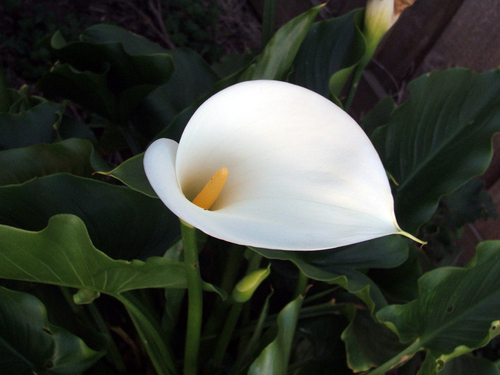
Arum lilies
Score: 5.5/10Zantedeschia aethiopica
Contains needle-like crystals that cause intense mechanical irritation and swelling of the mouth and throat.
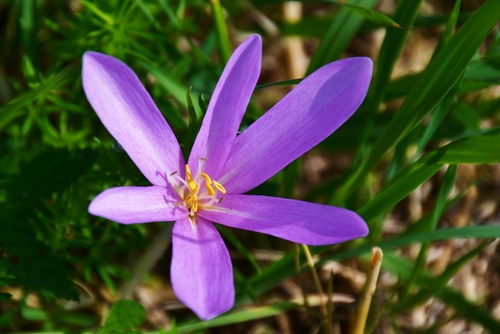
Autumn crocus
Score: 10/10Colchicum autumnale
A highly toxic plant that inhibits cell division, leading to catastrophic organ failure in camelids.
Azalea
Score: 9/10Rhododendron spp.
Common garden shrubs that disrupt sodium channels, affecting cardiac and skeletal muscle function.
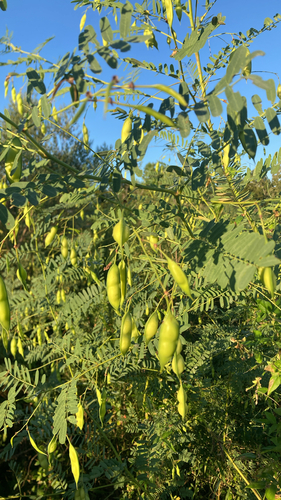
Bagpod
Score: 8/10Glottidium vesicarium
A leguminous weed where mature seeds are particularly dangerous, causing rapid gastrointestinal collapse.
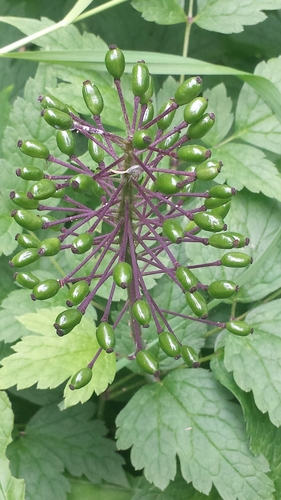
Baneberry
Score: 8.5/10Actaea spp.
Native woodland plants with toxic berries that cause severe irritation to the digestive tract and nervous system.
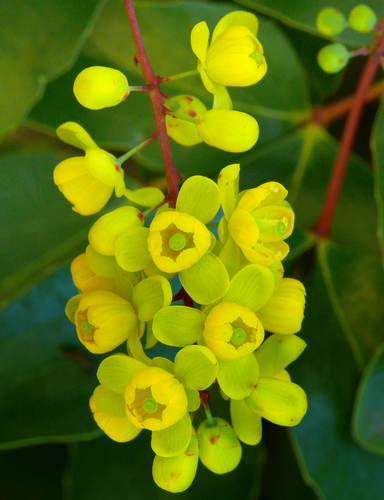
Barberry
Score: 4.5/10Berberis spp.
Common landscape shrub that can cause moderate gastrointestinal upset and mild sedation if large quantities are ingested.
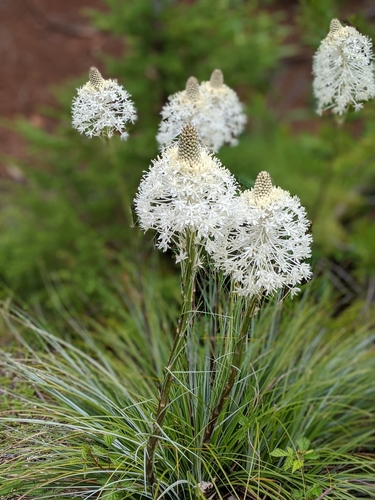
Bear grass
Score: 5/10Xerophyllum tenax
Primarily a concern in highland grazing; can lead to secondary photosensitivity due to underlying liver stress.
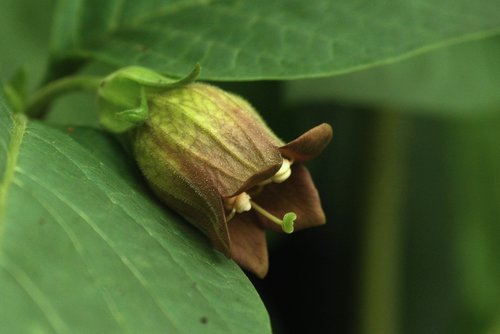
Belladonna
Score: 9.5/10Atropa belladonna
Also known as Deadly Nightshade, it causes systemic anticholinergic poisoning, shutting down the autonomic nervous system.
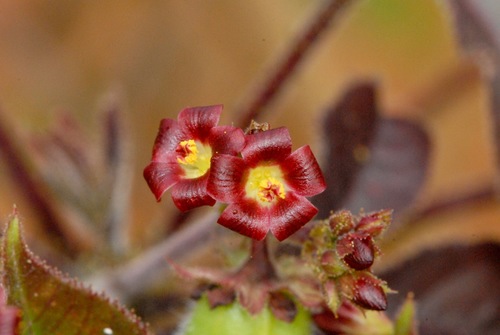
Bellyache-bush
Score: 8.5/10Jatropha gossypiifolia
A tropical shrub containing potent toxalbumins that inhibit protein synthesis and cause severe hemorrhagic inflammation.
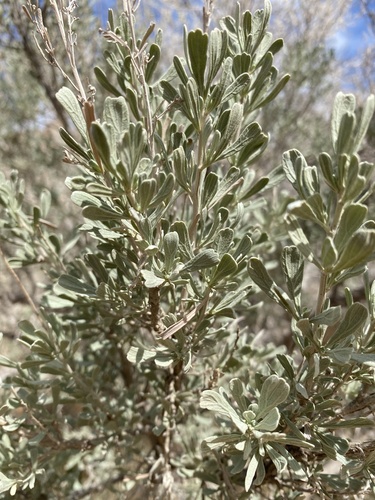
Big sagebrush
Score: 4.5/10Artemisia tridentata
A common western shrub containing oils that can cause gastrointestinal irritation and mild neurological depression if grazed in significant quantities.
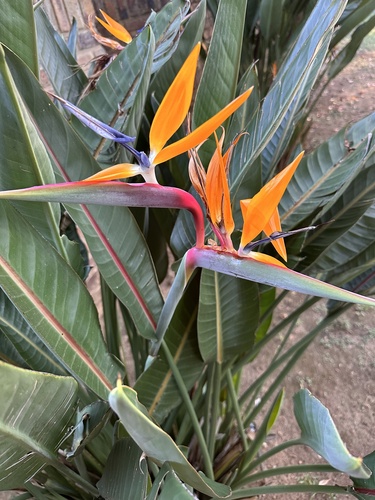
Bird of Paradise (Strelitzia)
Score: 5/10Strelitzia reginae
Popular ornamental plant where the seeds and fruit contain compounds that cause moderate gastrointestinal distress and localized irritation.
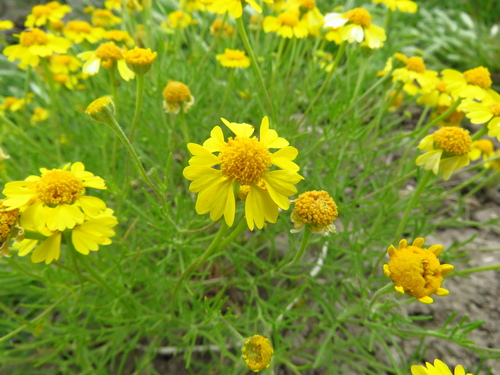
Bitter weed
Score: 8/10Hymenoxys odorata
A toxic weed common in arid regions that causes cumulative damage to the digestive and nervous systems of camelids.
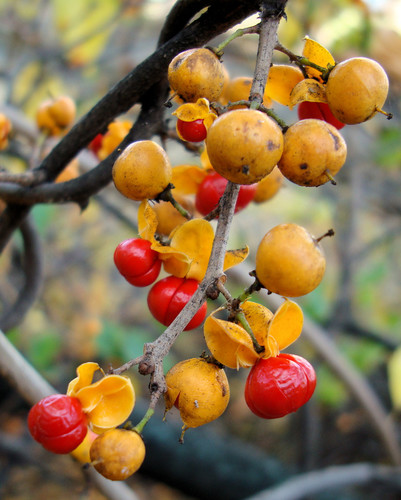
Bittersweet
Score: 6/10Celastrus spp.
A climbing vine with colorful berries that can cause significant gastrointestinal upset and mild neurological symptoms in alpacas.
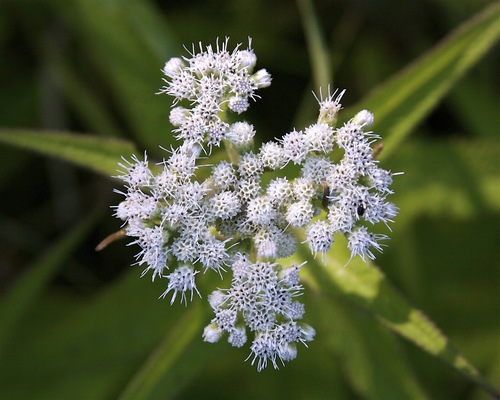
Black Snakeroot
Score: 8.5/10Ageratina altissima
Toxic wildflower that causes 'the trembles'; its toxin is cumulative and can be passed through milk to nursing cria.
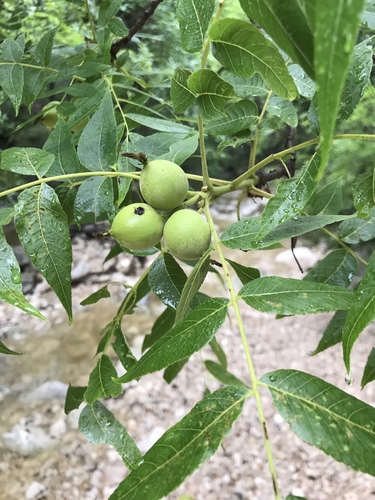
Black Walnut
Score: 7.5/10Juglans nigra
Highly dangerous when wood shavings are used as bedding; exposure causes systemic inflammatory responses leading to severe laminitis.
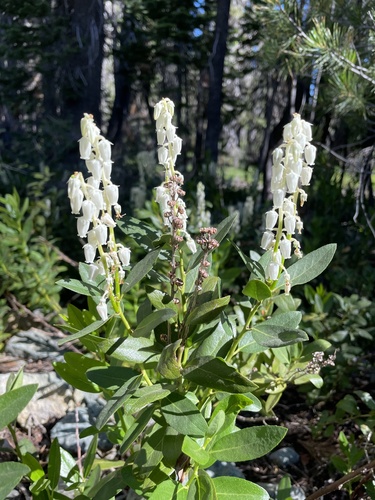
Black laurel
Score: 9.5/10Leucothoe davisiae
Extremely toxic evergreen shrub that interferes with sodium channels, causing severe cardiovascular and gastrointestinal distress.
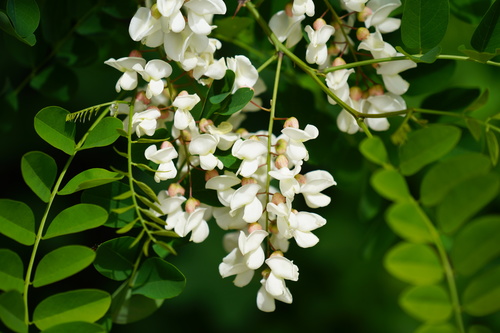
Black locust
Score: 8.5/10Robinia pseudoacacia
A deciduous tree where all parts contain toxalbumins that inhibit protein synthesis and cause neurological and circulatory failure.
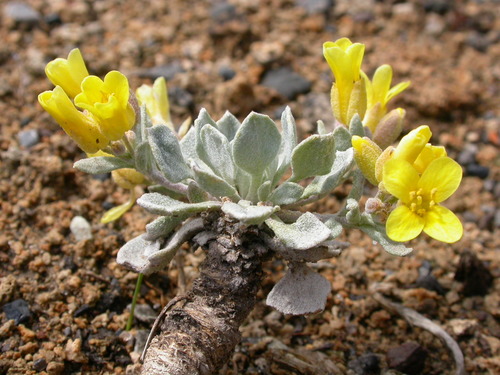
Bladder pod
Score: 7/10Lesquerella spp.
A member of the mustard family that causes severe gastrointestinal irritation and can lead to chronic wasting if ingested regularly.
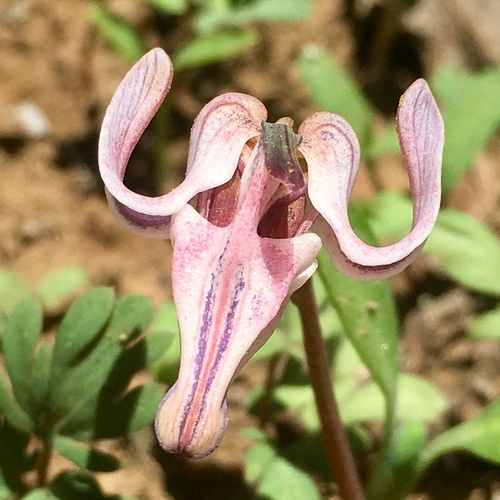
Bleeding heart
Score: 7.5/10Dicentra spp.
Garden ornamental containing alkaloids that affect the central nervous system, leading to tremors and potential seizures in camelids.
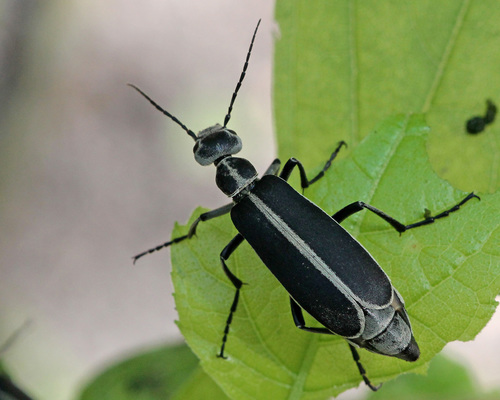
Blister Beetles
Score: 10/10Epicauta spp.
Toxic insects often found in alfalfa hay; the toxin is extremely potent, causing massive tissue destruction throughout the digestive and urinary tracts.
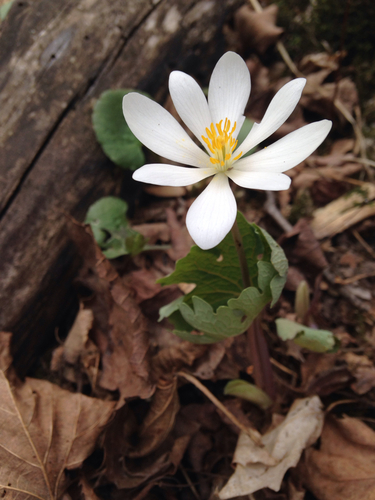
Bloodroot
Score: 7/10Sanguinaria canadensis
Native woodland plant containing alkaloids that inhibit enzymes and cause severe irritation and neurological depression.
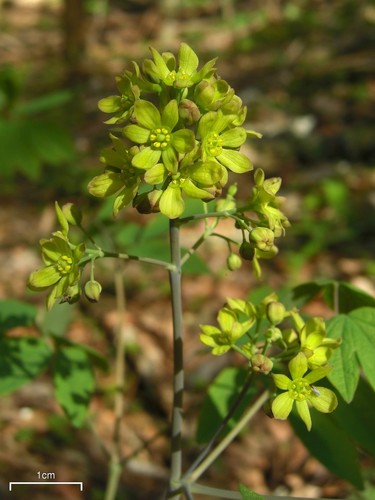
Blue Cohosh
Score: 6.5/10Caulophyllum thalictroides
Woodland plant containing nicotinic-like alkaloids that can cause digestive upset and heart rate abnormalities in grazing animals.
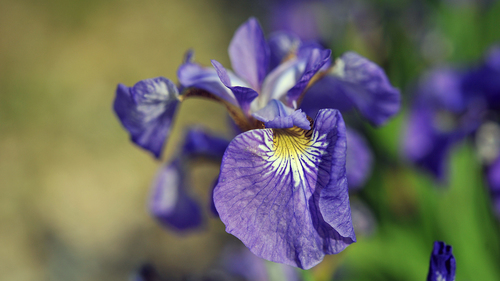
Blue Flag
Score: 5.5/10Iris spp.
A wetland iris containing glycosides that act as a potent purgative, causing severe gastrointestinal inflammation.
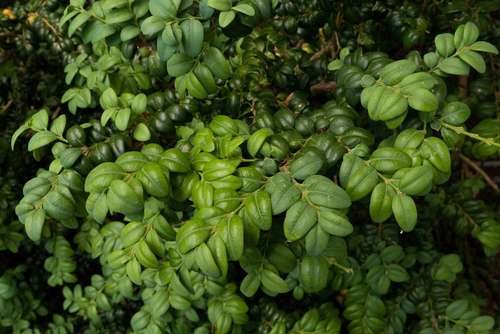
Box
Score: 8.5/10Buxus spp.
Common hedging shrub containing several toxic alkaloids that cause rapid-onset gastrointestinal and neurological distress.
Boxwood
Score: 8.5/10Buxus spp.
A common landscape evergreen containing alkaloids that cause rapid gastrointestinal and neurological distress in alpacas.
Bracken
Score: 7.5/10Pteridium aquilinum
A widespread fern that causes thiamine deficiency and bone marrow suppression through cumulative ingestion over several weeks.
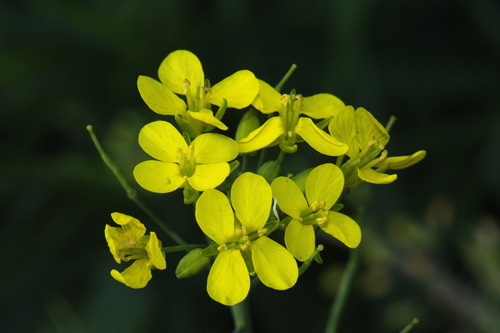
Brassica
Score: 6/10Brassica spp.
A genus of vegetables and forage crops that can cause red blood cell damage and thyroid dysfunction if fed in excess.
Broccoli
Score: 5/10Brassica oleracea var. italica
While sometimes fed as a treat, large amounts cause severe rumen fermentation issues and potential oxidative damage to red blood cells.
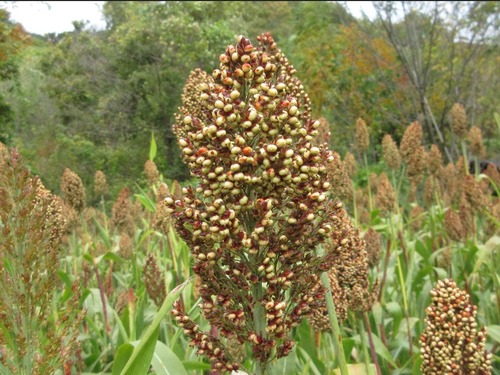
Broom Corn
Score: 8/10Sorghum bicolor var. technicum
A type of sorghum that can accumulate cyanide, particularly after frost or drought, leading to acute respiratory failure.
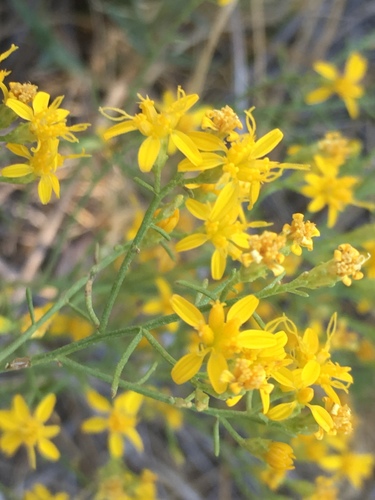
Broom Snakeweed
Score: 7/10Gutierrezia sarothrae
A common rangeland weed that is toxic to the liver and is a significant cause of reproductive loss in grazing camelids.
Brussel Sprouts
Score: 5/10Brassica oleracea var. gemmifera
A cruciferous vegetable that can cause significant digestive upset and goitrogenic effects if consumed regularly.
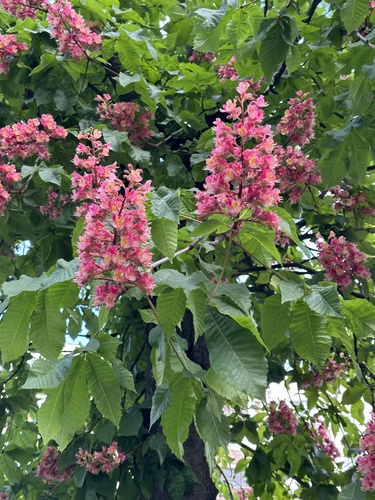
Buckeyes
Score: 8.2/10Aesculus spp.
Deciduous trees producing large seeds that contain potent neurotoxins and gastrointestinal irritants.
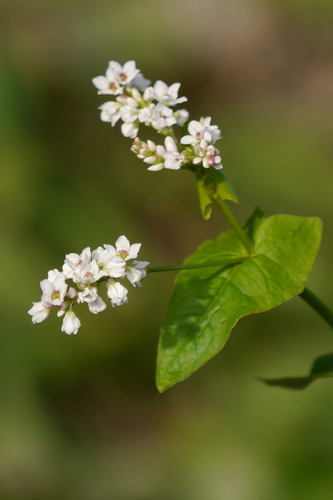
Buckwheat
Score: 5.5/10Fagopyrum esculentum
Ingestion followed by sunlight exposure causes primary photosensitization, leading to painful skin inflammation and sloughing.
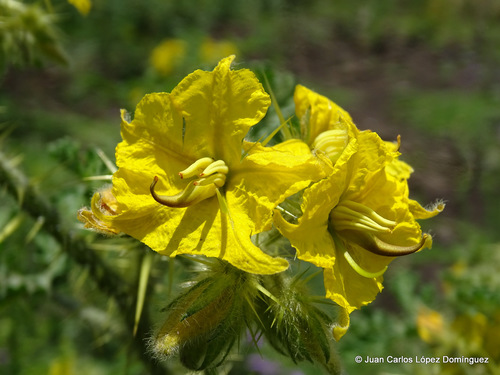
Buffalo Burr
Score: 7.8/10Solanum rostratum
A prickly weed in the nightshade family that causes significant gastrointestinal irritation and central nervous system depression.
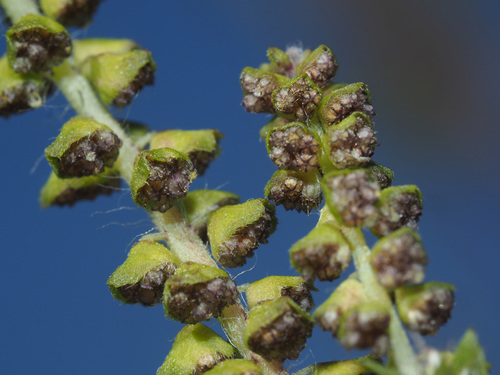
Bur Sage
Score: 4/10Ambrosia spp.
Related to ragweed, this plant causes contact irritation and mild digestive upset if consumed in large quantities.
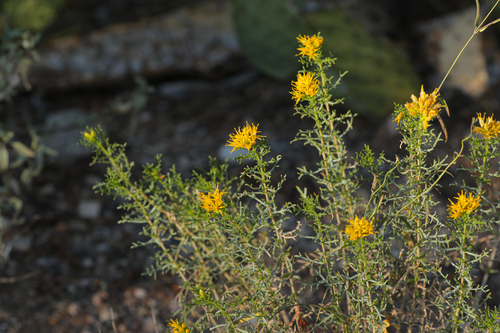
Burroweed
Score: 8/10Isocoma tenuisecta
A desert shrub that causes 'trembles' in camelids; the toxin is cumulative and can be lethal through heart failure.
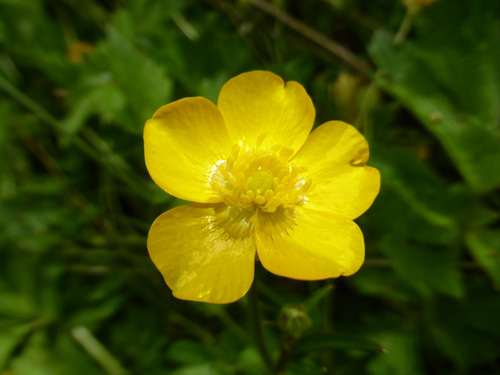
Buttercup
Score: 6.5/10Ranunculus spp.
Fresh plants contain a caustic oil that causes intense irritation to the mouth and digestive tract; toxicity is lost when dried in hay.
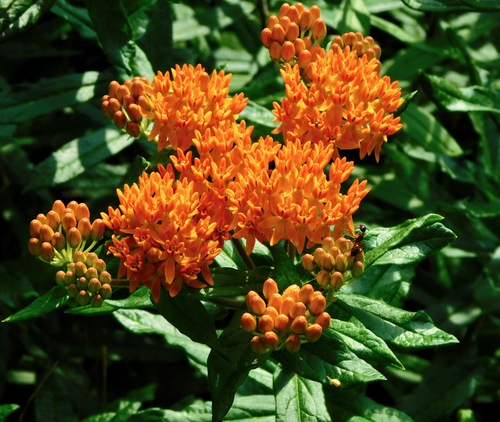
Butterfly weed
Score: 8.5/10Asclepias tuberosa
A species of milkweed containing compounds that directly affect the heart muscle, potentially leading to fatal cardiac arrest.
Cabbage
Score: 5/10Brassica oleracea
Feeding excessive cabbage causes gas buildup and can interfere with iodine uptake, leading to metabolic issues.
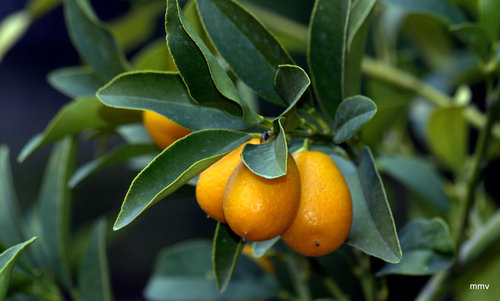
Calamondin orange tree
Score: 4.5/10Citrus mitis
Small ornamental citrus tree containing essential oils and phototoxic compounds that cause digestive upset and skin sensitivity to sunlight.
Calla Lily
Score: 5.5/10Zantedeschia aethiopica
Ornamental lily containing needle-like crystals that cause immediate mechanical pain and swelling upon ingestion.
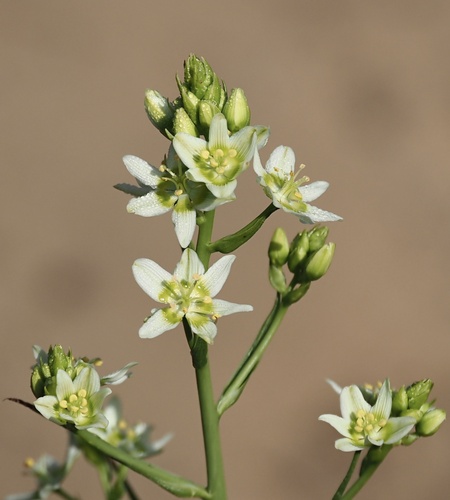
Camas Lily
Score: 9.8/10Zigadenus spp.
Commonly known as Death Camas, this plant contains highly potent alkaloids that cause rapid cardiovascular and neurological collapse.
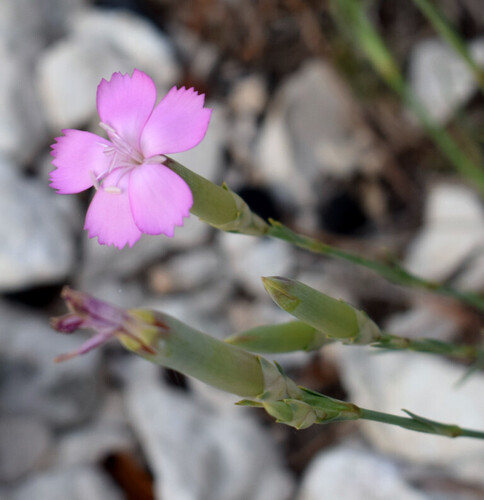
Carnation
Score: 3/10Dianthus caryophyllus
Popular garden flower that causes mild irritation to the digestive tract and skin if consumed or handled frequently.
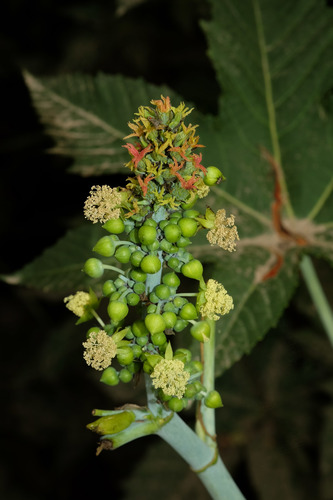
Castor Bean
Score: 10/10Ricinus communis
One of the most toxic plants known; ricin inhibits protein synthesis, causing catastrophic damage to the intestines and major organs.
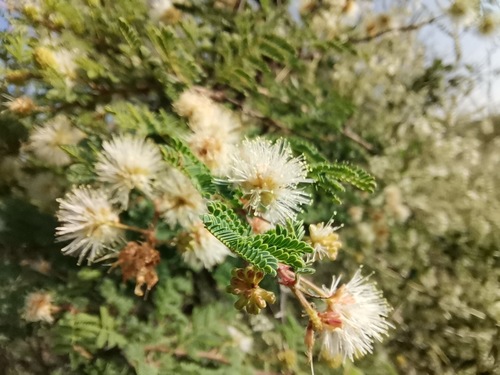
Cat Claw
Score: 5/10Mimosa aculeaticarpa
A thorny shrub containing an amino acid that interferes with protein metabolism, leading to wool loss and general ill thrift.
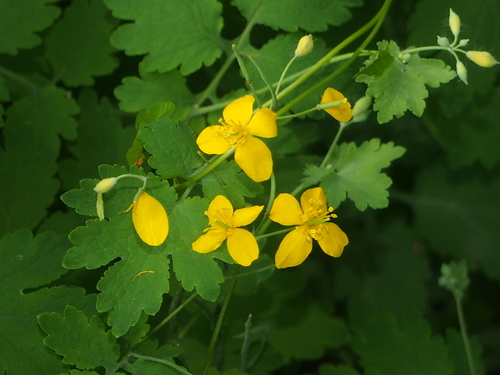
Celandine
Score: 7.5/10Chelidonium majus
A member of the poppy family that causes central nervous system depression and intense gastrointestinal irritation.
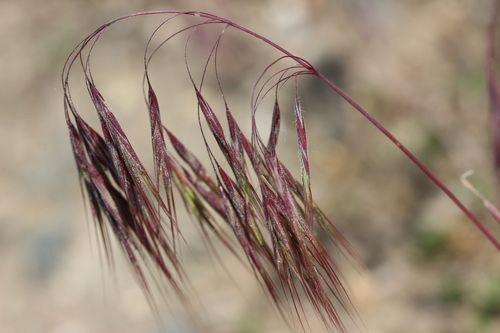
Cheatgrass
Score: 4/10Bromus tectorum
The sharp seeds penetrate sensitive tissues in the mouth, eyes, and skin, causing painful infections and preventing normal grazing.

Cherry
Score: 9.5/10Prunus spp.
Wilting cherry leaves release cyanide, which prevents cellular respiration; ingestion is frequently fatal within minutes to hours.
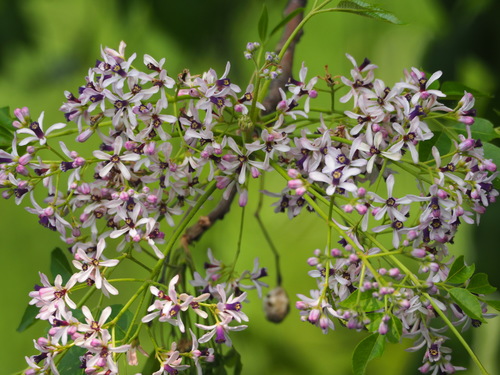
Chinaberry
Score: 8.5/10Melia azedarach
Deciduous tree with highly toxic berries that cause severe gastrointestinal distress followed by lethal neurological failure.
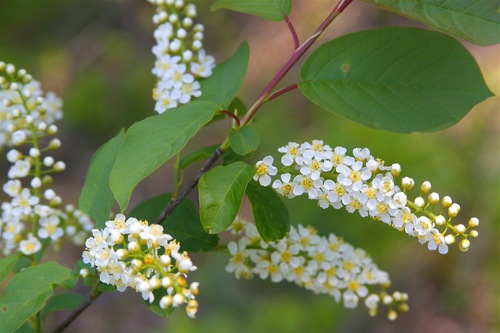
Chokecherry
Score: 9.5/10Prunus virginiana
A native shrub/tree that becomes extremely hazardous when leaves are stressed by frost or wilting, releasing lethal cyanide gas.
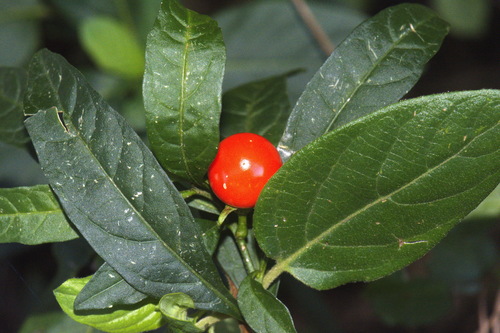
Christmas cherry
Score: 7.5/10Solanum pseudocapsicum
Ornamental nightshade with berries that cause significant gastrointestinal irritation and cardiovascular depression in alpacas.
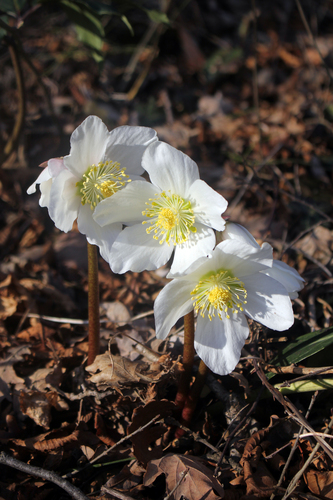
Christmas rose
Score: 8/10Helleborus niger
An ornamental plant containing cardiac glycosides that irritate the gut and slow the heart rate to dangerous levels.
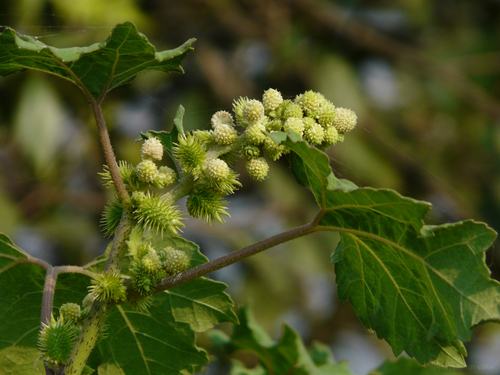
Cocklebur
Score: 8.8/10Xanthium spp.
A common weed where the early growth stages are extremely toxic to the liver, often causing death within 48 hours.
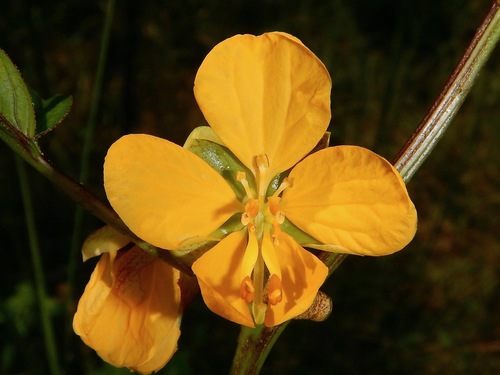
Coffeeweed
Score: 8.2/10Senna occidentalis
Causes widespread skeletal and cardiac muscle degeneration (myopathy), often resulting in permanent weakness or death.
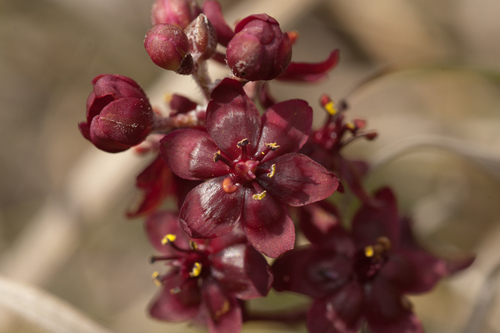
Corn Lily
Score: 9/10Veratrum spp.
A mountain plant causing acute cardiac depression and severe birth defects if consumed by pregnant alpacas.
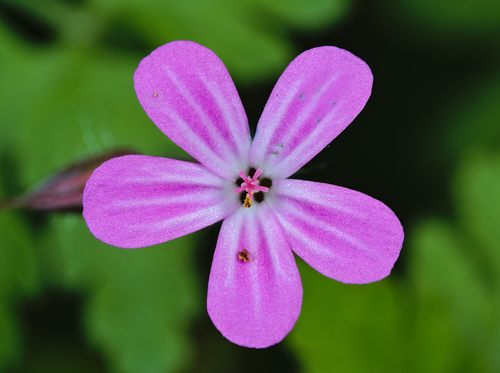
Cowbane
Score: 10/10Cicuta spp.
One of the most lethal plants in North America, causing rapid central nervous system overstimulation and death within minutes.
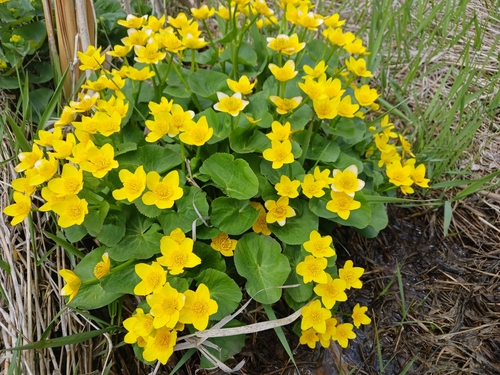
Cowslip
Score: 6/10Caltha palustris
Wetland wildflower that contains acrid juices causing intense irritation to the gastrointestinal tract when consumed fresh.
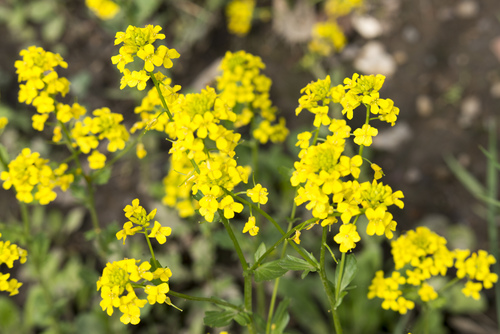
Cress
Score: 4.5/10Barbarea spp.
Members of the mustard family that can cause rumen irritation and skin sensitivity if grazed in large quantities.
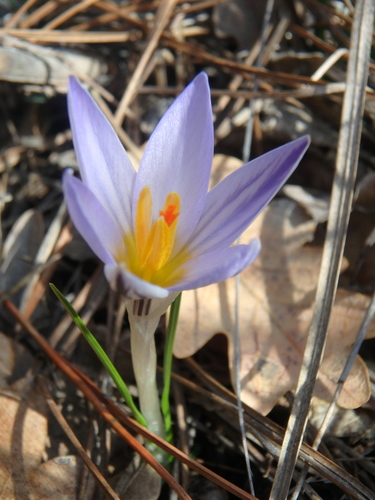
Crocus
Score: 5.5/10Crocus spp.
Spring-blooming bulbs that cause moderate digestive upset; frequently confused with the far more toxic Autumn Crocus.
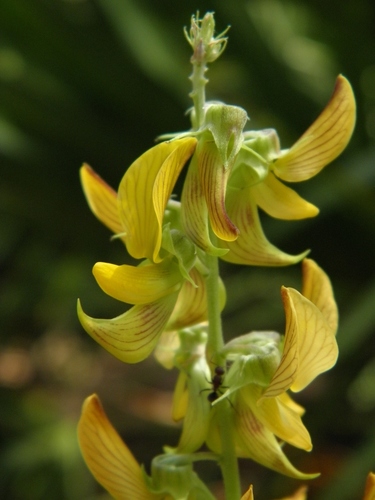
Crotalaria
Score: 8.5/10Crotalaria spp.
Also known as Rattlebox, this plant causes cumulative, irreversible liver damage that may manifest months after ingestion.

Crow Poison
Score: 9.5/10Zigadenus densus
A highly toxic lily-like plant containing alkaloids that disrupt sodium channels, leading to cardiac and respiratory failure.
Crowfoot
Score: 6/10Ranunculus spp.
Fresh buttercup species containing a caustic oil that burns the mouth and digestive lining; safe when dried in hay.
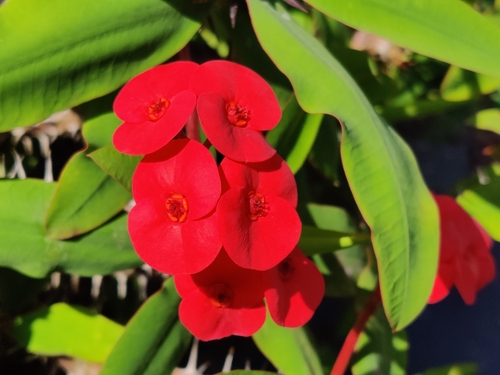
Crown of Thorns
Score: 5/10Euphorbia milii
A succulent whose white sap acts as a potent irritant to the skin and mucous membranes of camelids.
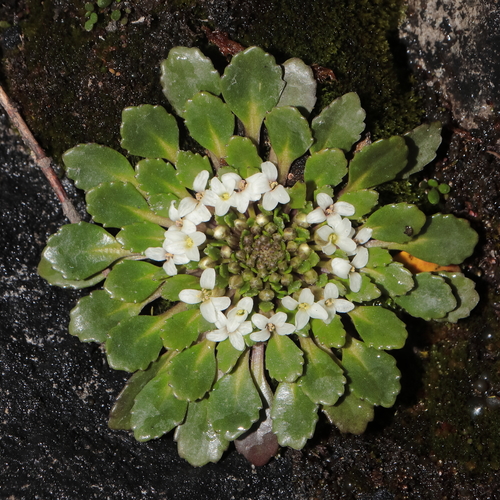
Crucifers
Score: 5.5/10Brassicaceae family
Large plant group including kale and mustard; high sulfur content can lead to hemolytic anemia and thyroid issues.
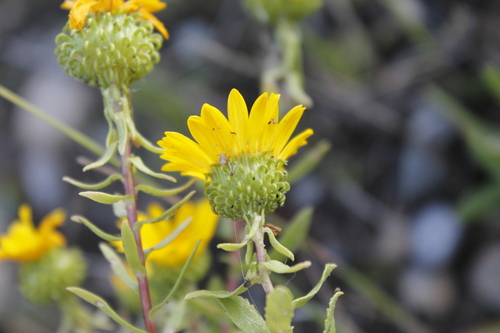
Curlycup Gumweed
Score: 6.5/10Grindelia squarrosa
A resinous weed that concentrates selenium from the soil, leading to chronic toxicity and hoof issues in grazing animals.
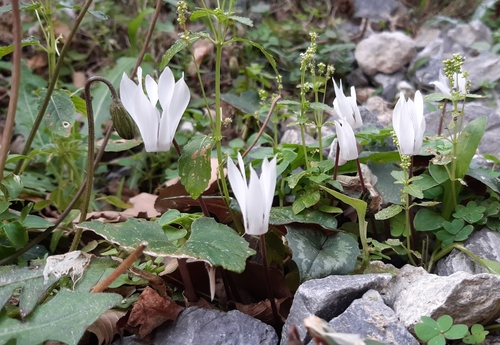
Cyclamen
Score: 7.5/10Cyclamen spp.
Common houseplant where the underground tubers contain high concentrations of toxins that can cause fatal heart disturbances.
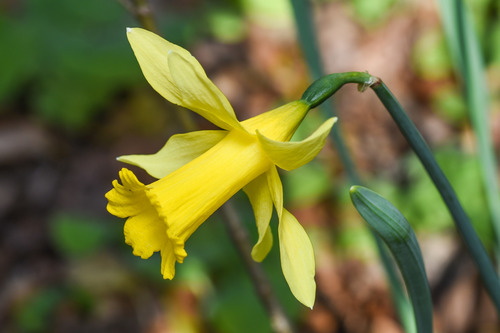
Daffodil
Score: 7.2/10Narcissus spp.
Spring bulbs containing alkaloids and calcium oxalate crystals that cause intense gastrointestinal distress and potential heart failure.
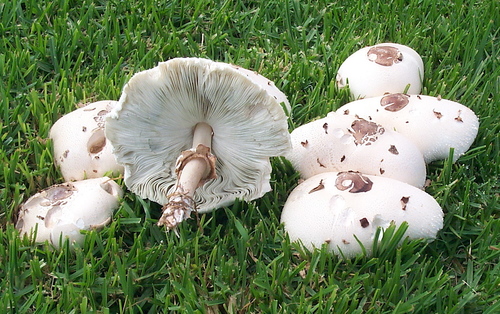
Daisy Mushrooms
Score: 6.8/10Chlorophyllum molybdites
Common yard mushrooms that appear after rain; while rarely fatal, they cause severe gastrointestinal distress in alpacas.
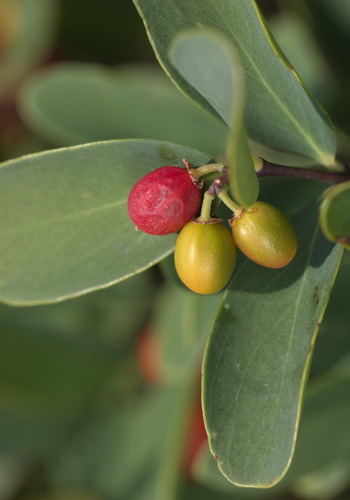
Daphne
Score: 9.2/10Daphne spp.
A highly toxic garden shrub; even small ingestions can cause catastrophic damage to the gastrointestinal tract and kidneys.
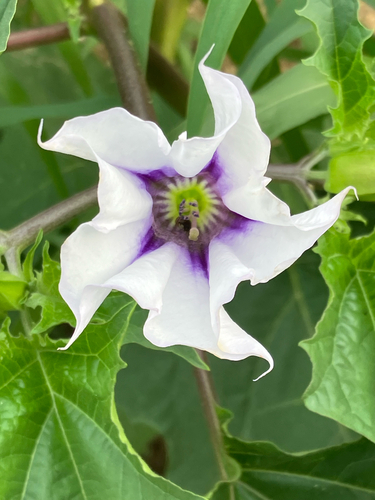
Datura
Score: 9/10Datura spp.
A highly toxic weed also known as Jimsonweed that causes severe anticholinergic syndrome and neurological dysfunction.
Deadly Nightshade
Score: 9.8/10Atropa belladonna
Lethal plant that disrupts the autonomic nervous system, leading to rapid respiratory and cardiac failure.
Deathcamas
Score: 10/10Zigadenus spp.
One of the most dangerous rangeland plants; even small amounts cause catastrophic cardiovascular collapse in camelids.
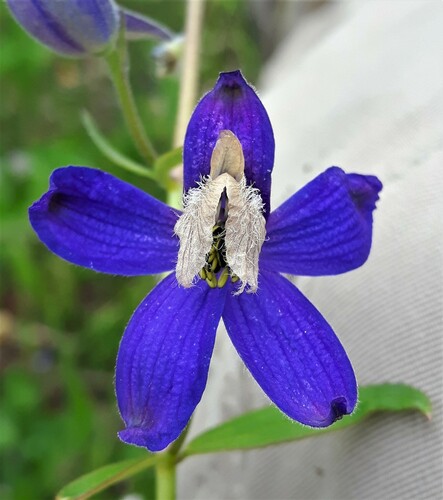
Delphinium
Score: 9/10Delphinium spp.
Also known as Larkspur, this plant causes neuromuscular blockade and is a common cause of grazing fatalities.
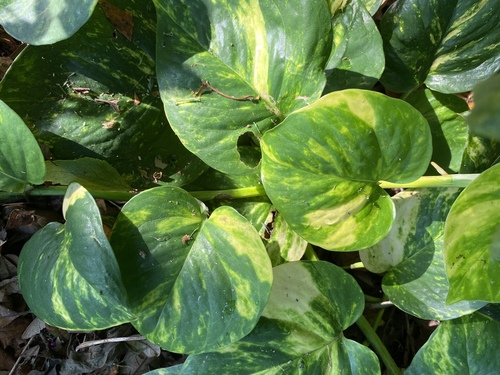
Devils Ivy
Score: 5/10Epipremnum aureum
Common ornamental climber containing microscopic needle-like crystals that cause mechanical irritation to the mouth and throat.
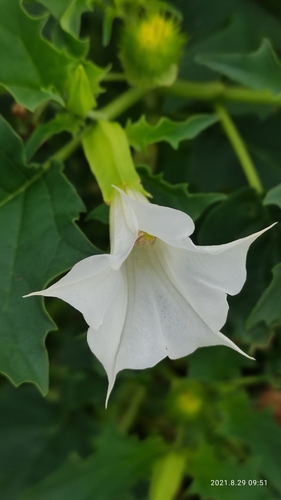
Devils Weed
Score: 9/10Datura stramonium
An invasive and aggressive weed that poses a significant risk of systemic poisoning through accidental forage contamination.
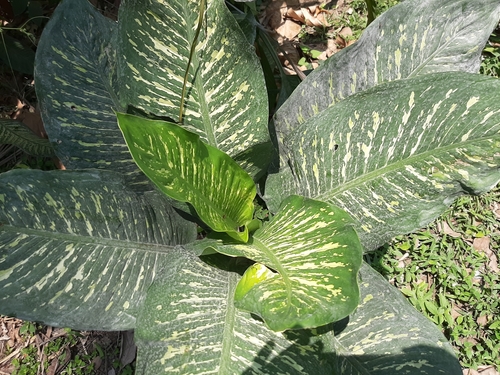
Dieffenbachia
Score: 7.5/10Dieffenbachia spp.
Houseplant that causes intense pain; the swelling can be severe enough to threaten the animal's airway.
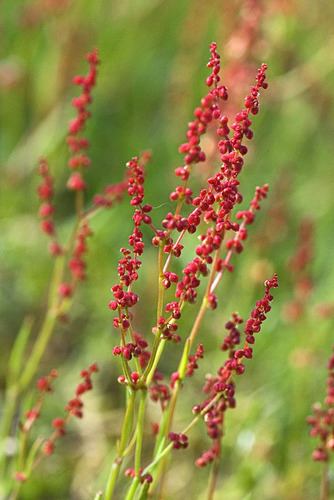
Dock
Score: 6/10Rumex spp.
Common pasture weed that binds calcium in the blood and can lead to acute or chronic kidney damage.
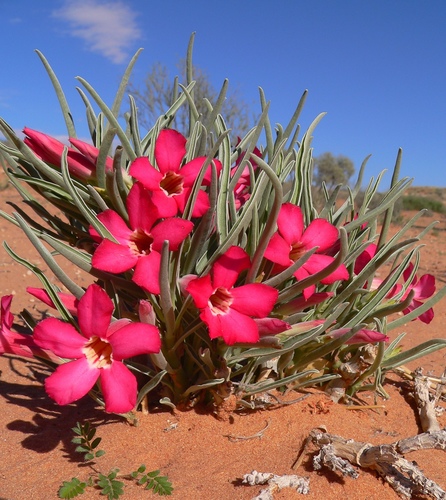
Dogbane
Score: 9.5/10Apocynum spp.
A native plant with toxins similar to digitalis that remain dangerous even when the plant is dried in hay.
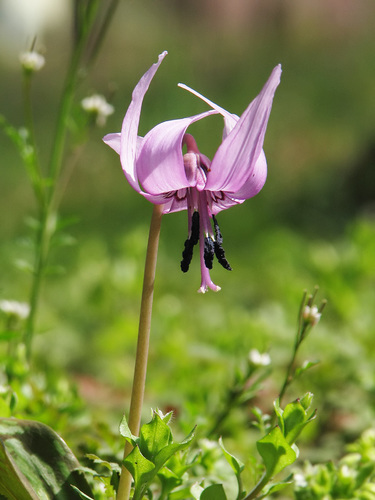
Dogtooth Lily
Score: 5.5/10Erythronium spp.
Spring woodland wildflower that causes localized irritation and systemic digestive upset if bulbs are unearthed and eaten.
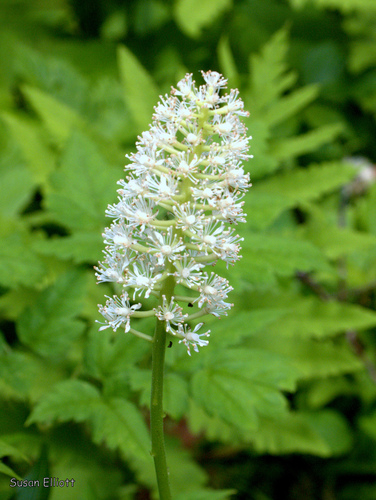
Doll's Eyes
Score: 8.5/10Actaea pachypoda
Also known as Baneberry, this woodland plant features distinctive white berries that are highly irritating to the GI tract.
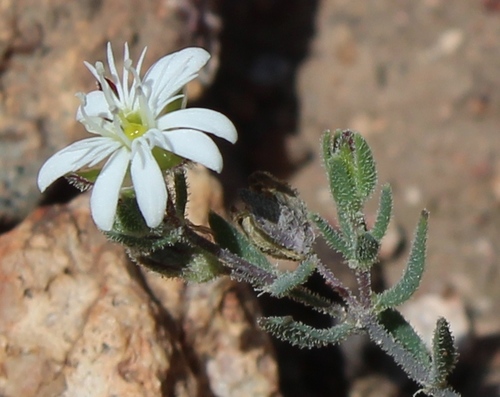
Drymary
Score: 8/10Drymaria arenarioides
A low-growing desert weed that causes acute and often fatal liver necrosis in camelids and other livestock.
Dumb Cane
Score: 7.5/10Dieffenbachia spp.
The name reflects the temporary muteness caused by the severe swelling of the mouth and throat upon ingestion.
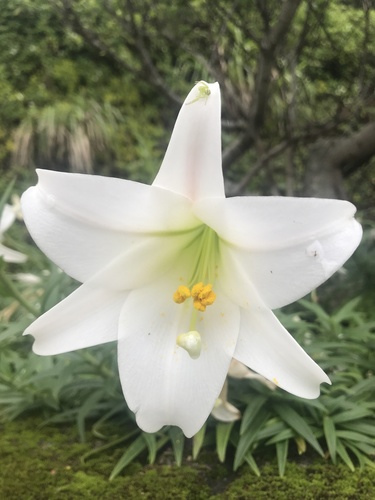
Easter Lilies
Score: 8.5/10Lilium longiflorum
Extremely dangerous lily species that causes acute renal failure in camelids; even a small amount can be fatal.
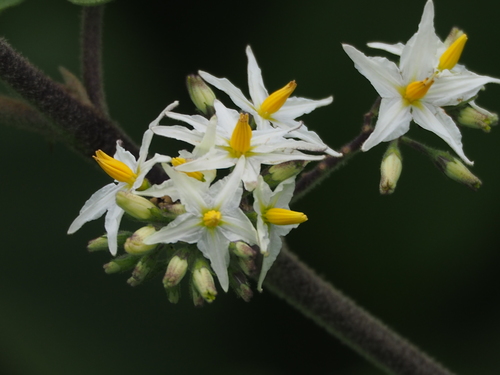
Eggplant
Score: 5/10Solanum melongena
A member of the nightshade family; while the ripe fruit is less toxic, the foliage contains hazardous glycoalkaloids.
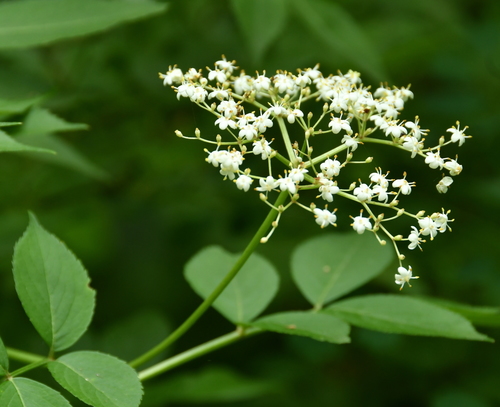
Elderberry
Score: 7.5/10Sambucus spp.
Common shrub containing compounds that can release cyanide and alkaloids, causing severe gastrointestinal and respiratory distress in camelids.
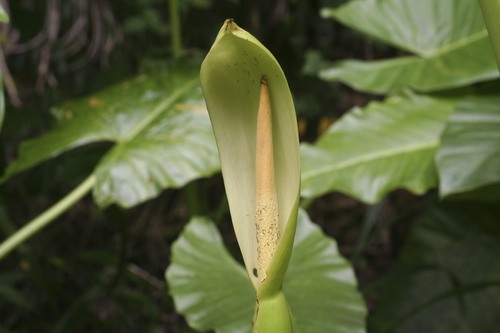
Elephant Ears
Score: 7/10Colocasia and Alocasia spp.
Large-leaved ornamental containing needle-like crystals that cause immediate mechanical trauma and severe swelling of the mouth and throat.
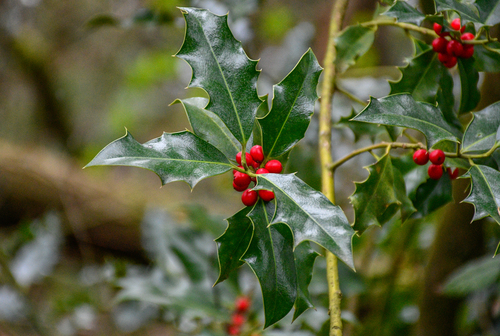
English Holly
Score: 5.5/10Ilex aquifolium
Evergreen landscape plant with prickly leaves and berries that cause significant gastrointestinal irritation and depression.
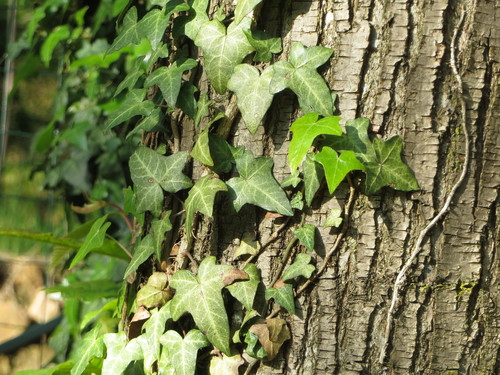
English Ivy
Score: 6/10Hedera helix
Common climbing vine that causes gastrointestinal distress and localized irritation to the mucous membranes of grazing animals.
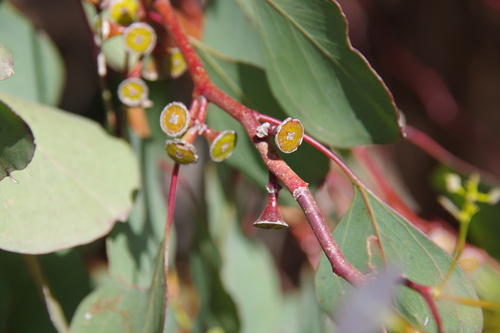
Eucalyptus
Score: 4.5/10Eucalyptus spp.
Ornamental and timber tree containing volatile oils that can lead to neurological depression and digestive tract irritation.
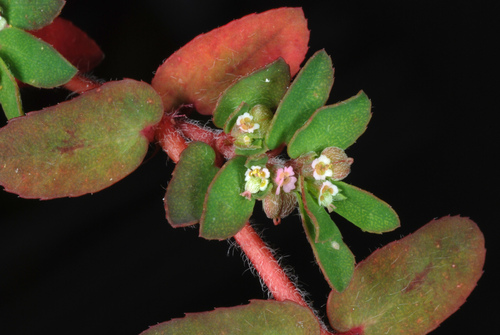
Eyebane
Score: 6.5/10Euphorbia maculata
A low-growing spurge that produces a caustic white sap causing chemical burns to the mouth and digestive tract.
False Hellebore
Score: 9.2/10Veratrum spp.
High-altitude wildflower that causes rapid heart rate depression and severe teratogenic effects if consumed by pregnant alpacas.

Fiddleneck
Score: 8.5/10Amsinckia spp.
A common weed that causes cumulative and irreversible liver damage; symptoms often appear long after ingestion has stopped.
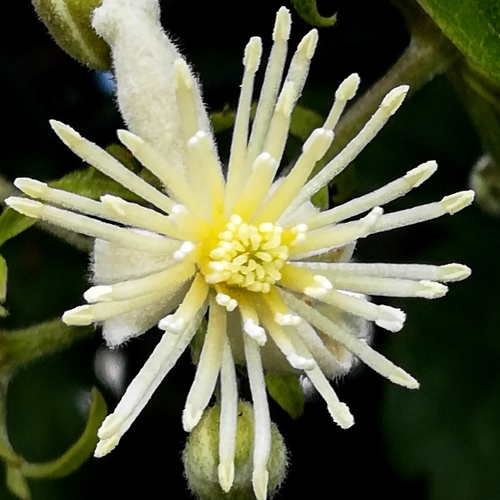
Firecracker
Score: 5/10Clematis spp.
Ornamental vine that contains an acrid oil causing localized irritation and blistering to the mouth and stomach.

Foxglove
Score: 9.8/10Digitalis purpurea
Extremely toxic plant that directly affects the heart muscle; even small ingestions can lead to fatal heart failure.
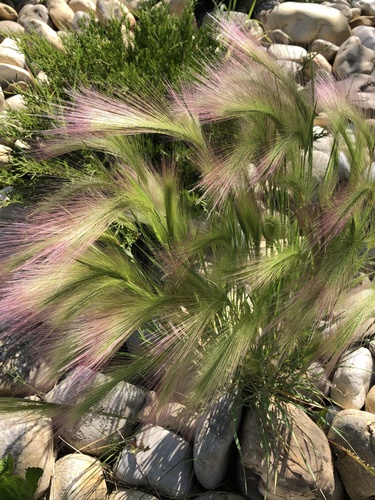
Foxtails
Score: 5/10Hordeum jubatum
Barbed seed heads that penetrate the skin, mouth, and eyes, causing painful infections and preventing normal feeding.
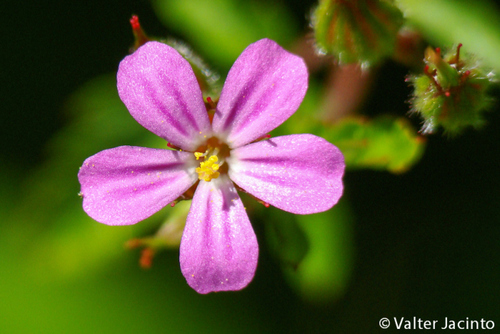
Geranium
Score: 3.5/10Pelargonium spp.
Common garden plant that can cause mild systemic upset and skin reactions if consumed in quantity.
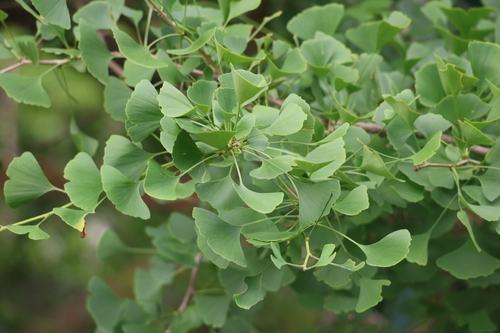
Ginkgo Tree
Score: 7/10Ginkgo biloba
Ancient tree species where the seeds contain a neurotoxin that interferes with Vitamin B6, potentially causing seizures.
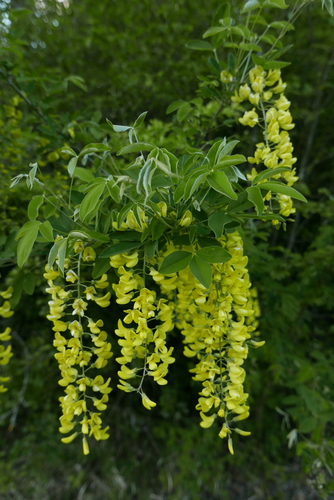
Golden Chain
Score: 8.8/10Laburnum anagyroides
Ornamental tree with toxins similar to nicotine that overstimulate and then paralyze the nervous system.
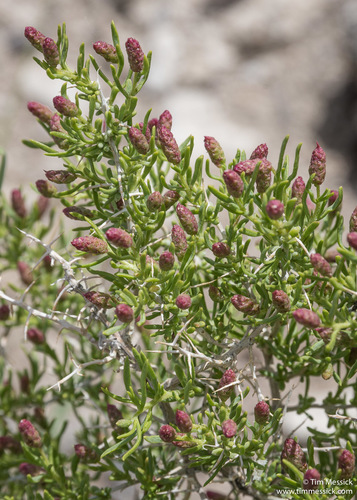
Greasewood
Score: 8/10Sarcobatus vermiculatus
A western shrub that accumulates high levels of oxalates, causing acute blood calcium depletion and kidney damage.
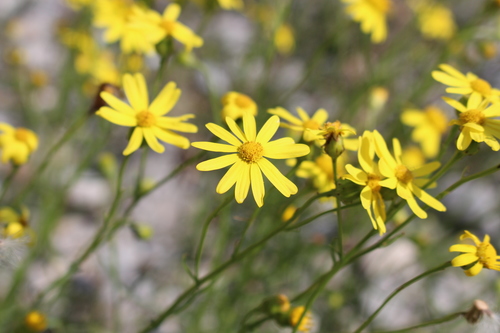
Groundsel
Score: 8.8/10Senecio spp.
A common yellow-flowered weed causing irreversible and cumulative liver damage over several weeks or months; symptoms often appear too late for effective treatment.
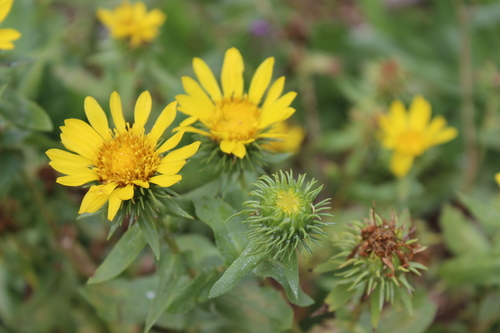
Gum Weed
Score: 5.5/10Grindelia spp.
Accumulates selenium from the soil, leading to chronic poisoning and structural damage to the hooves and fiber of grazing camelids.
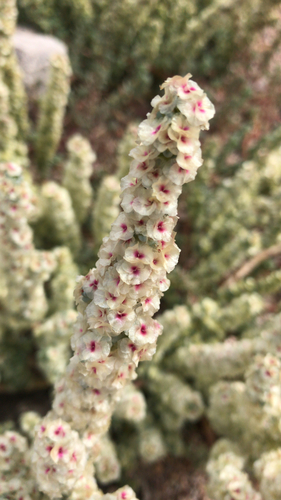
Halogeton Glomeratus
Score: 8.2/10Halogeton glomeratus
An invasive desert weed that binds blood calcium and forms crystals in the kidneys, leading to acute renal failure and systemic distress.

Heliotrope
Score: 8.5/10Heliotropium spp.
Contains potent alkaloids that cause progressive and irreversible liver destruction; clinical signs often manifest long after the initial ingestion.
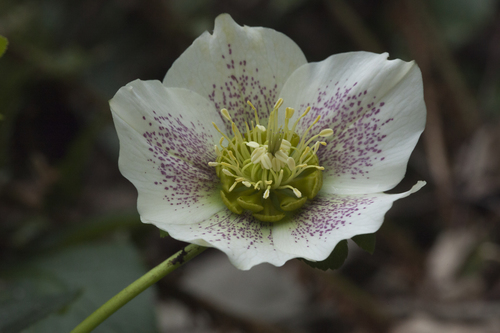
Hellebores
Score: 8/10Helleborus spp.
Low-growing garden plant that acts on the heart and digestive tract, causing severe irritation and potentially dangerous slowing of the heart rate.
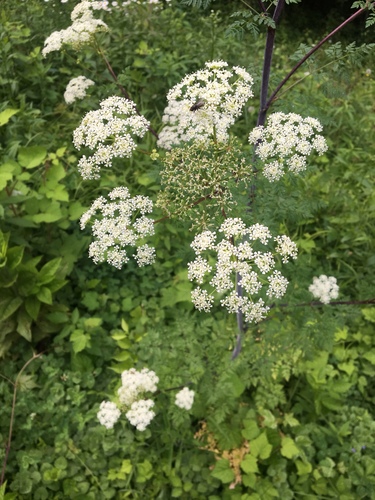
Hemlock
Score: 9.8/10Conium maculatum
Highly lethal weed that causes rapid paralysis of the motor nervous system and respiratory arrest within hours of ingestion.

Hemp
Score: 4/10Cannabis sativa
Ingestion of the foliage or seeds can lead to central nervous system depression, incoordination, and significant lethargy in camelids.
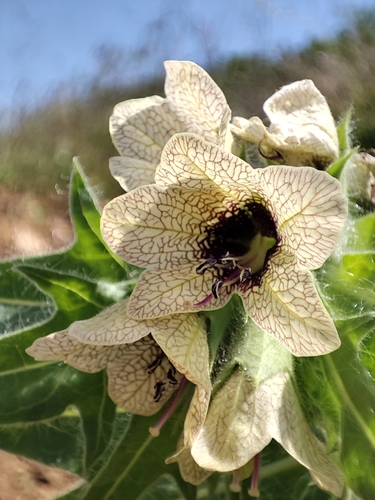
Henbane
Score: 9.2/10Hyoscyamus niger
A foul-smelling weed containing potent tropane alkaloids that shut down the parasympathetic nervous system, leading to cardiac and neurological crisis.
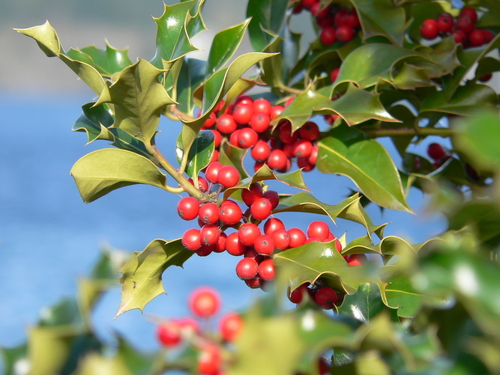
Holly berry
Score: 5.5/10Ilex spp.
Common landscape evergreen with berries that cause significant gastrointestinal irritation and distress in camelids if consumed in quantity.
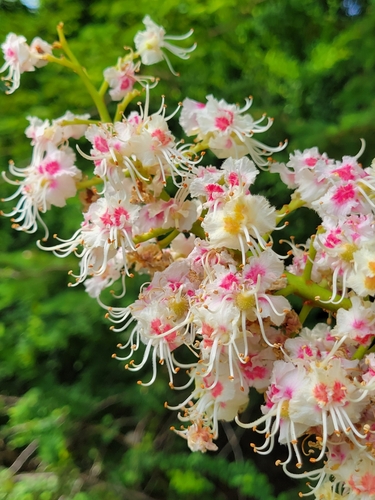
Horse Chestnut
Score: 7.8/10Aesculus hippocastanum
Seeds and young leaves contain neurotoxins and irritants that affect both the gastrointestinal tract and the central nervous system.
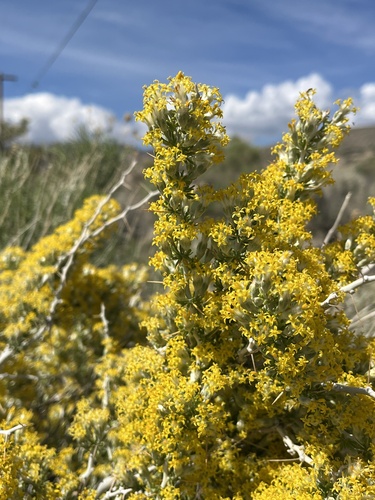
Horsebrush
Score: 8/10Tetradymia spp.
A desert shrub causing 'bighead' due to liver dysfunction, which results in severe sensitivity to sunlight on unpigmented skin areas.
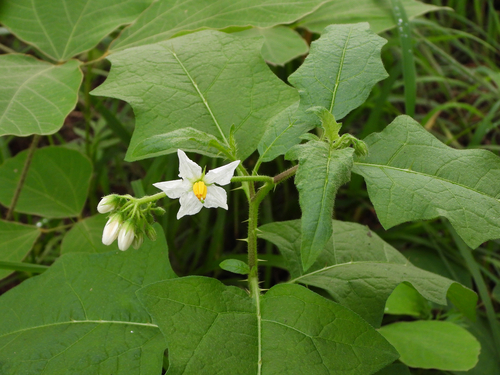
Horsenettle
Score: 7.5/10Solanum carolinense
A prickly member of the nightshade family that causes acute gastrointestinal irritation and potentially fatal neurological depression.
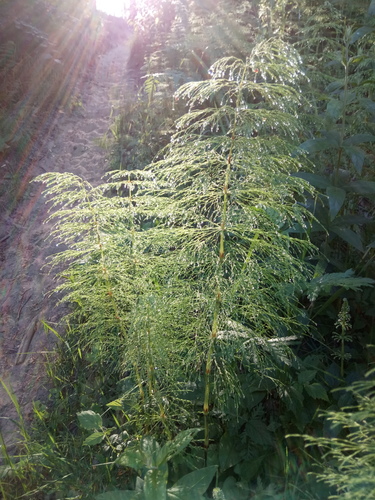
Horsetail
Score: 6/10Equisetum spp.
Primitive plant that destroys Vitamin B1 (thiamine) in the rumen, leading to neurological deficiency if consumed consistently over several weeks.
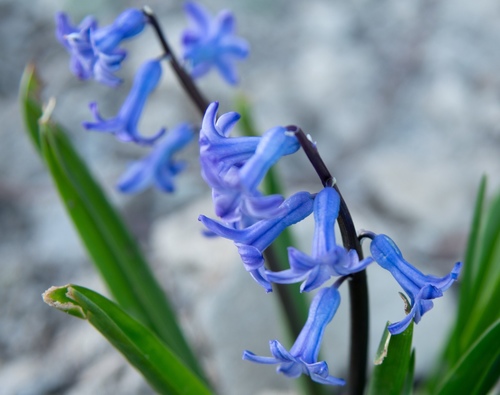
Hyacinth
Score: 5/10Hyacinthus orientalis
Popular garden bulb that causes intense localized oral irritation and systemic digestive upset if the bulbs are unearthed and consumed.
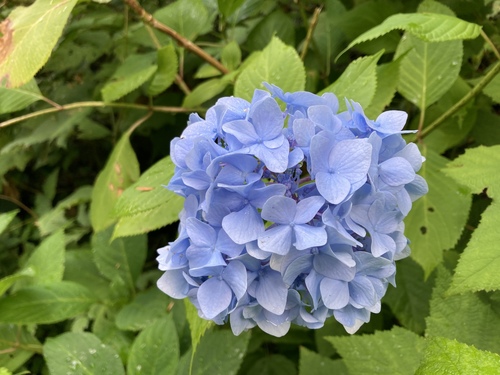
Hydrangea
Score: 7/10Hydrangea spp.
Popular garden shrub that can release cyanide during digestion, leading to cellular oxygen deprivation and severe gastrointestinal distress.
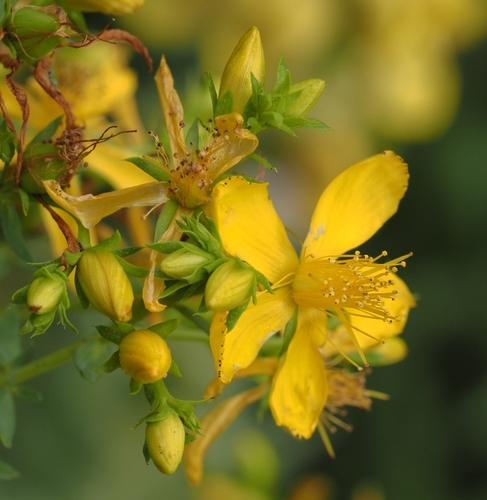
Hypericum
Score: 7.5/10Hypericum perforatum
Commonly known as St. John's Wort, this plant contains hypericin which causes primary photosensitization and severe skin damage when alpacas are exposed to sunlight.
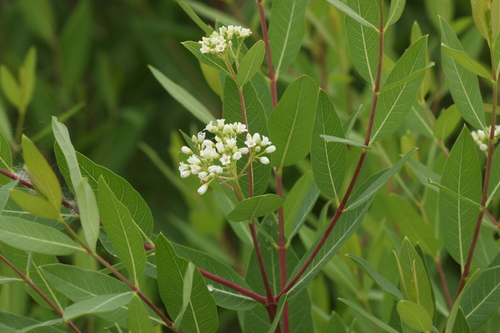
Indian Hemp
Score: 9.2/10Apocynum cannabinum
A native plant related to Dogbane that contains potent glycosides affecting the heart; it remains toxic even when dried in hay.
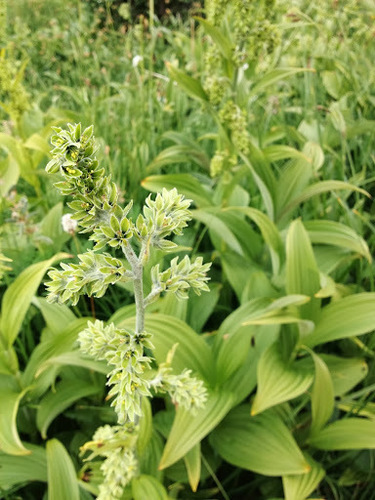
Indian Poke
Score: 9.5/10Veratrum viride
A high-altitude plant also called False Hellebore; it causes severe heart rate depression and is highly teratogenic to pregnant alpacas.
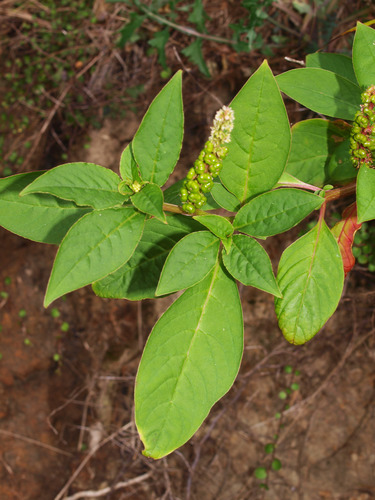
Ink Weed
Score: 8.2/10Phytolacca octandra
An invasive weed with dark purple berries that causes intense gastrointestinal inflammation and systemic neurological depression.
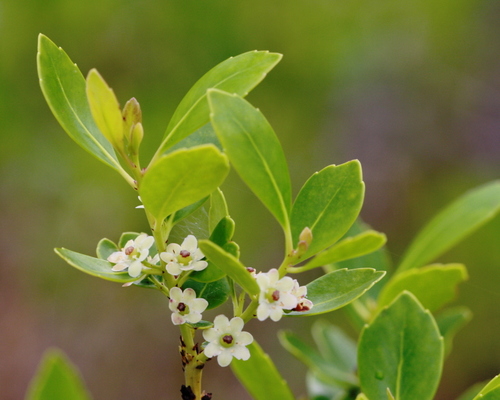
Inkberry
Score: 5.5/10Ilex glabra
A native evergreen holly whose berries and leaves contain irritants that cause significant digestive distress in camelids.
Iris
Score: 6/10Iris spp.
Popular garden plants containing glycosides that act as potent gastrointestinal irritants and purgatives.
Ivy
Score: 5.8/10Hedera helix
Commonly known as English Ivy, this climbing vine causes localized irritation and moderate systemic gastrointestinal distress.
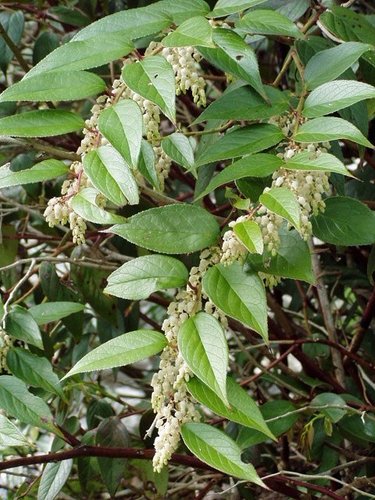
Ivy bush
Score: 8.8/10Leucothoe spp.
Ornamental evergreen shrub containing toxins that disrupt sodium channels, leading to severe cardiac and gastrointestinal crisis.
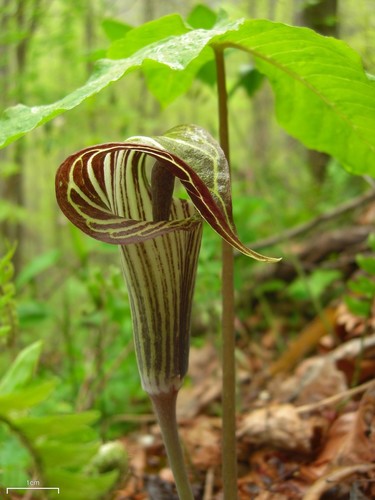
Jack-in-the-pulpit
Score: 5.2/10Arisaema triphyllum
Woodland plant containing microscopic needle-like crystals that cause immediate mechanical trauma to the mouth and throat.
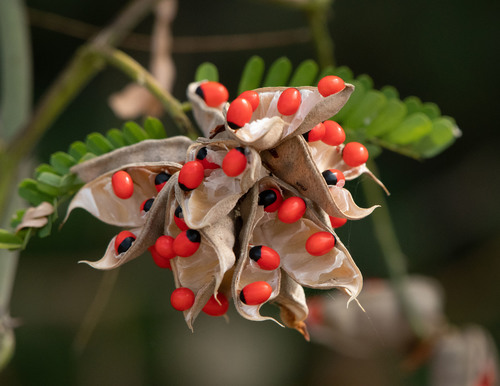
Jequirity Bean
Score: 10/10Abrus precatorius
One of the most lethal plants known; abrin inhibits protein synthesis, causing catastrophic systemic damage from minimal ingestion.
Jerusalem Cherry
Score: 7.8/10Solanum pseudocapsicum
Ornamental nightshade with bright berries that cause significant gastrointestinal irritation and can affect heart rate.
Jimsonweed
Score: 9/10Datura stramonium
Aggressive weed causing severe anticholinergic poisoning, disrupting the nervous system and heart rhythm in camelids.
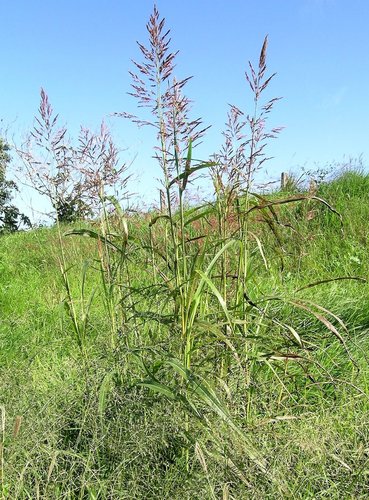
Johnson Grass
Score: 9.4/10Sorghum halepense
Rangeland grass that accumulates lethal cyanide and nitrates, especially after drought, frost, or rapid growth.
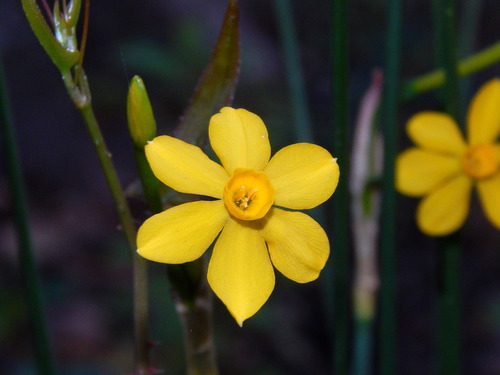
Jonquil
Score: 7.2/10Narcissus jonquilla
Spring-flowering bulb containing alkaloids that cause intense gastrointestinal distress and potential heart failure.
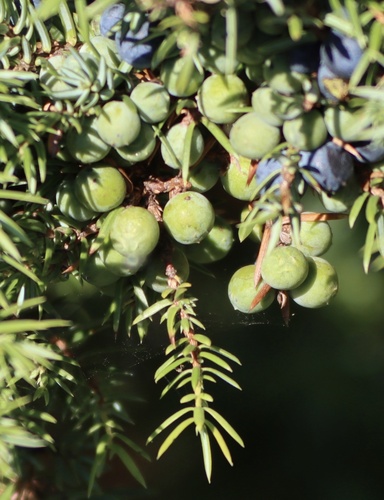
Juniper
Score: 4.5/10Juniperus spp.
Evergreen shrubs containing volatile oils that can cause gastrointestinal upset and renal stress if large quantities are consumed.
Kale
Score: 5.5/10Brassica oleracea
High-sulfur vegetable that can cause oxidative damage to red blood cells and thyroid dysfunction if fed in excessive amounts over time.
Klamath Weed
Score: 7.5/10Hypericum perforatum
Also known as St. John's Wort, it causes severe skin sensitivity to sunlight on unpigmented or light-colored fiber areas.
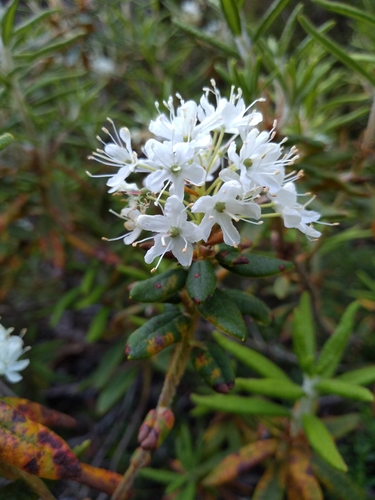
Labrador Tea
Score: 8.5/10Rhododendron groenlandicum
A woodland shrub containing toxins that disrupt sodium channels, severely affecting cardiac and skeletal muscle function.
Laburnum
Score: 9/10Laburnum anagyroides
Also called Golden Chain tree; its alkaloids act similarly to nicotine, causing initial stimulation followed by lethal paralysis.
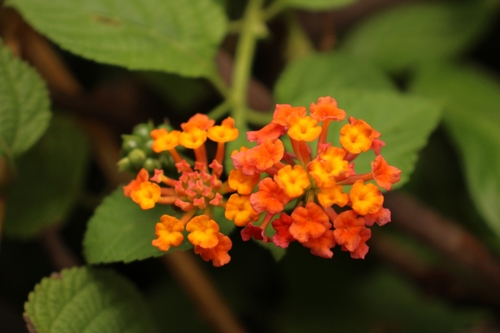
Lantana
Score: 8.5/10Lantana camara
Ornamental shrub that causes acute cholestasis and liver damage, leading to secondary photosensitivity and systemic toxicosis.
Larkspur
Score: 9/10Delphinium spp.
A primary cause of livestock loss on rangelands; toxins block neuromuscular junctions leading to rapid-onset paralysis.
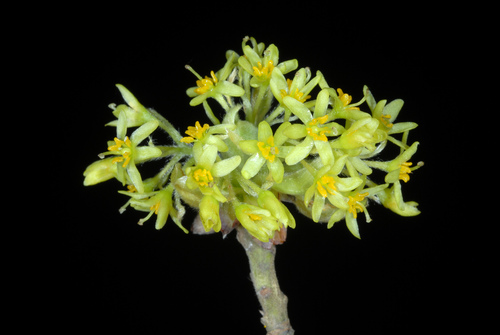
Laurel
Score: 9.5/10Kalmia and Prunus spp.
Whether Mountain Laurel or Cherry Laurel, these shrubs cause severe cardiac distress or acute cyanide poisoning.
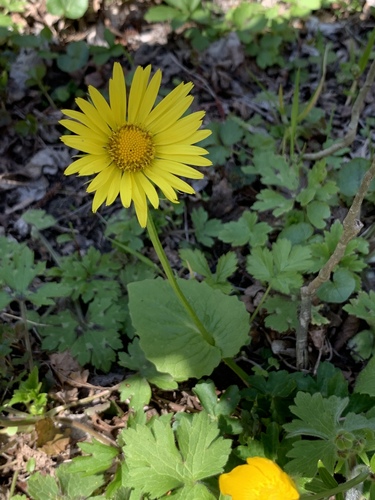
Leopard Bane
Score: 6.5/10Doronicum spp.
Garden perennial that causes moderate gastrointestinal inflammation and localized skin irritation if handled or ingested.
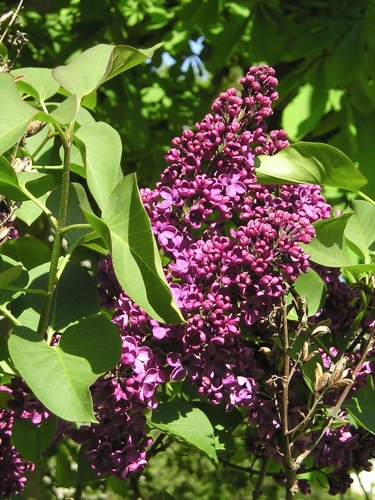
Lilac
Score: 2.5/10Syringa spp.
Generally considered safe, but excessive consumption of foliage may cause minor gastrointestinal irritation in sensitive individuals.
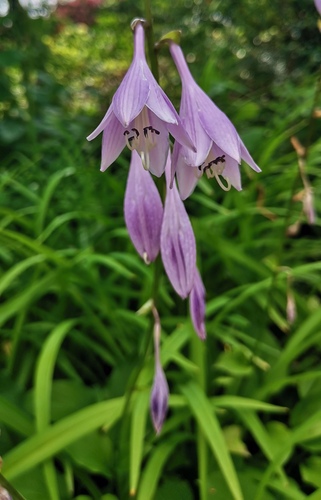
Lilies
Score: 9/10Lilium and Hemerocallis spp.
Many true lilies are nephrotoxic to camelids, causing acute and often fatal kidney damage from minimal exposure.

Lily of the Valley
Score: 9.8/10Convallaria majalis
Highly toxic garden plant that directly interferes with heart rhythm; can be fatal with very small ingestions.
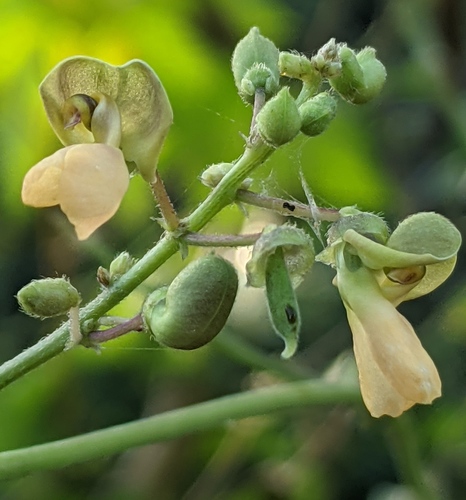
Lima Beans
Score: 7/10Phaseolus lunatus
Raw beans and foliage can release cyanide when digested, preventing cells from using oxygen and causing respiratory distress.
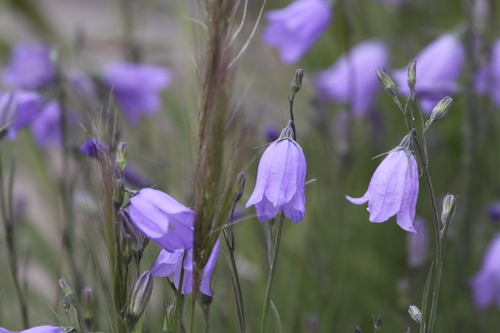
Lobelia
Score: 8/10Lobelia spp.
Contains alkaloids similar to nicotine that affect the nervous system and heart rate, leading to significant systemic distress.
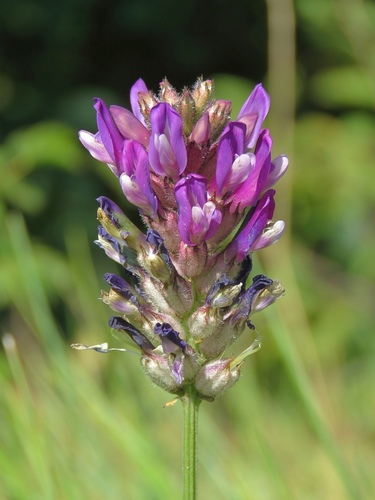
Locoweed
Score: 8.5/10Astragalus and Oxytropis spp.
Causes cumulative neurological damage (lysosomal storage disease) and reproductive failure; animals often become addicted to grazing it.
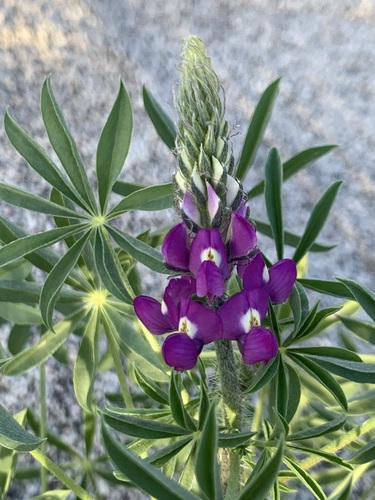
Lupin
Score: 8.5/10Lupinus spp.
Toxic to the nervous system and highly teratogenic, causing severe skeletal deformities in developing fetuses during specific pregnancy windows.

Macrocarpa
Score: 8/10Cupressus macrocarpa
An evergreen tree notorious for causing reproductive failure and abortions in grazing livestock when needles or bark are consumed.
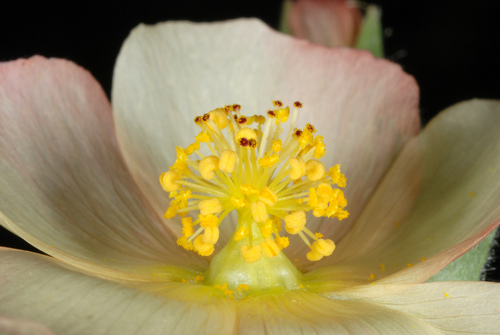
Mallow
Score: 5/10Malva spp.
Common weed that can cause 'staggers' in alpacas, characterized by neurological incoordination and muscle weakness after significant ingestion.
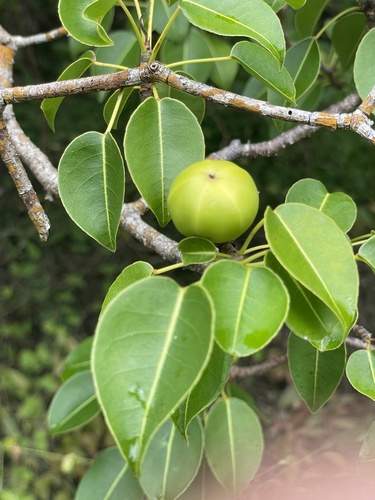
Manchineel
Score: 10/10Hippomane mancella
Highly dangerous tropical tree; its caustic sap causes severe chemical burns and systemic poisoning upon contact or ingestion.
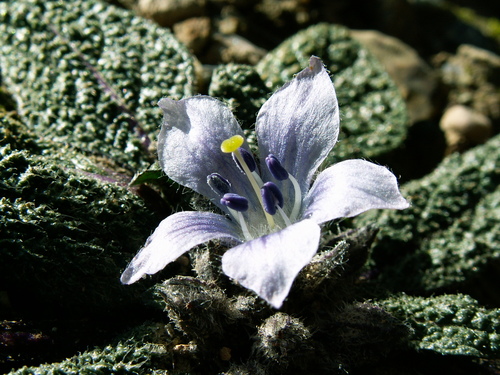
Mandrake
Score: 8.5/10Mandragora officinarum
Ancient medicinal plant containing hallucinogenic alkaloids that disrupt the autonomic nervous system and cause significant sedation.
Maples
Score: 8.5/10Acer spp.
Red Maples and related species are hazardous when leaves wilt, causing oxidative damage to red blood cells and severe anemia.
Marijuana
Score: 4.5/10Cannabis sativa
Causes central nervous system depression; while rarely fatal, it induces significant incoordination and lethargy in camelids.
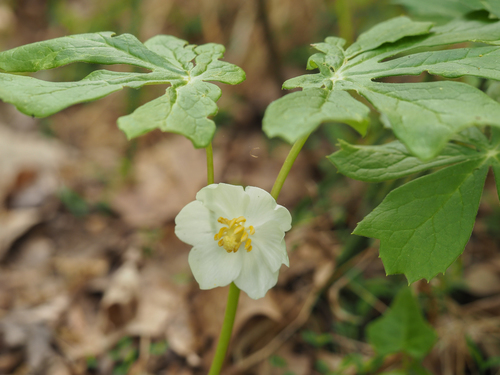
Mayapple
Score: 8/10Podophyllum peltatum
Woodland plant containing potent toxins that cause severe gastrointestinal inflammation and can affect the central nervous system.
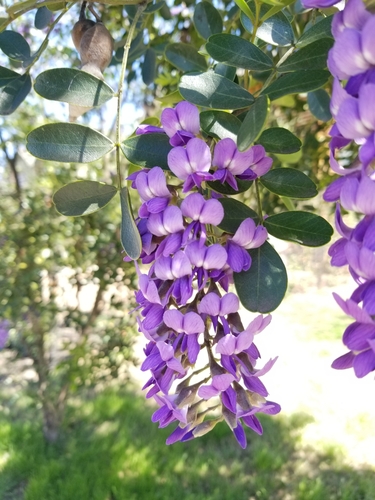
Mescal Bean
Score: 8.8/10Sophora secundiflora
Evergreen shrub with seeds containing alkaloids that act like nicotine, leading to overstimulation and potential respiratory failure.
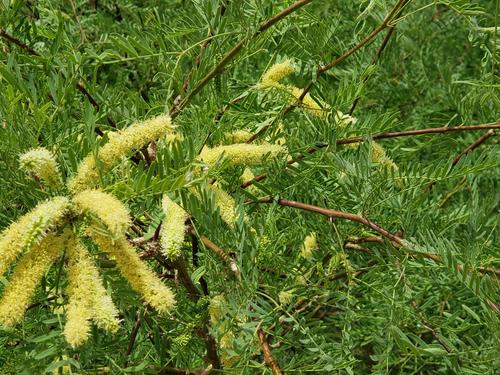
Mesquite
Score: 6/10Prosopis spp.
Chronic overconsumption of mesquite beans leads to digestive issues and cranial nerve damage, often referred to as 'jaw and tongue trouble.'
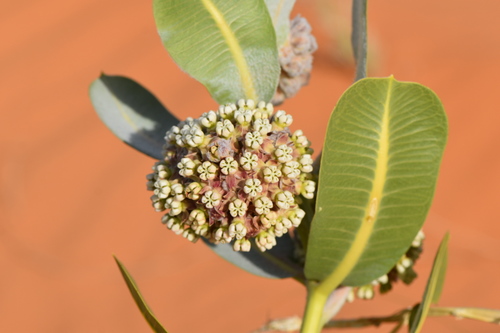
Milkweed
Score: 9.5/10Asclepias spp.
Highly toxic rangeland plants that interfere with heart muscle function; even small amounts can be fatal to alpacas.
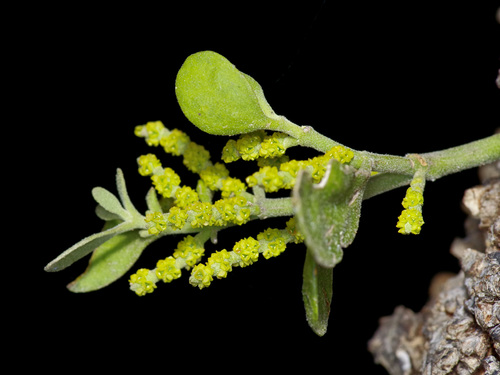
Mistletoe
Score: 7.5/10Phoradendron spp.
A parasitic plant containing toxins that cause significant gastrointestinal irritation and cardiovascular depression.
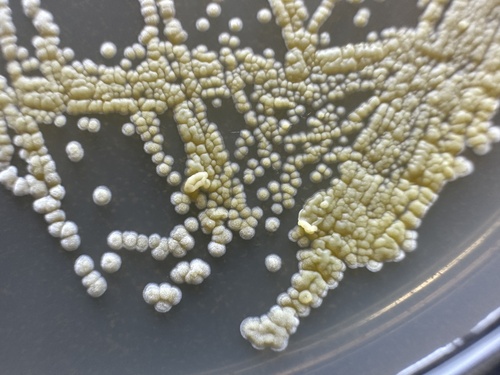
Monensin
Score: 10/10Streptomyces cinnanonensis derivative
A cattle feed additive that is extremely lethal to camelids; it causes irreversible damage to cardiac and skeletal muscles.
Monkshood
Score: 10/10Aconitum spp.
One of the most poisonous plants; even minimal ingestion causes rapid cardiovascular failure and death.
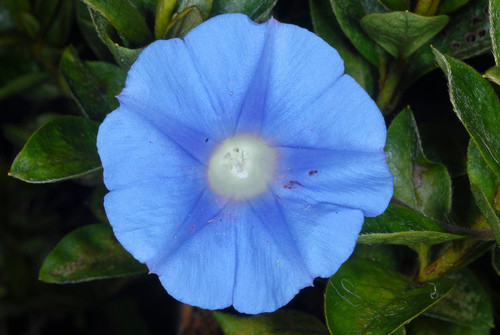
Morning Glory
Score: 7.5/10Ipomoea spp.
A climbing vine where seeds contain alkaloids that cause neurological disorientation and gastrointestinal upset.
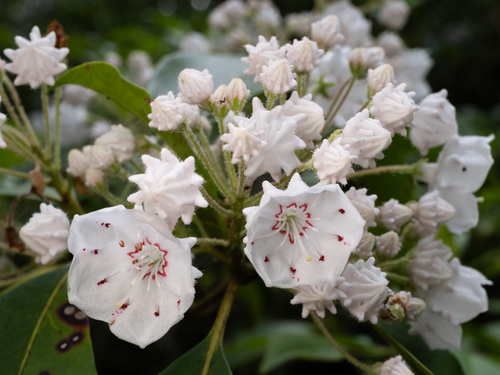
Mountain Laurel
Score: 9.5/10Kalmia latifolia
Evergreen shrub containing neurotoxins that disrupt sodium channels, leading to severe cardiac and gastrointestinal shock.
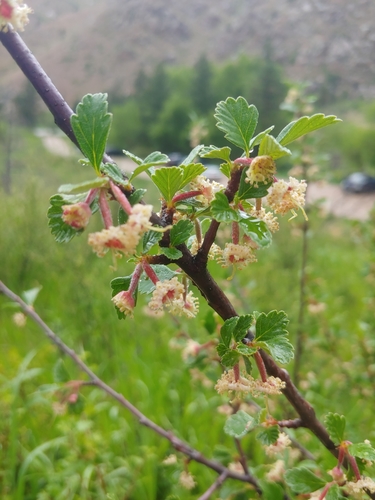
Mountain Mahogany
Score: 6.5/10Cercocarpus spp.
While often grazed safely, wilting or frost-stressed leaves can release lethal cyanide, leading to acute respiratory failure.
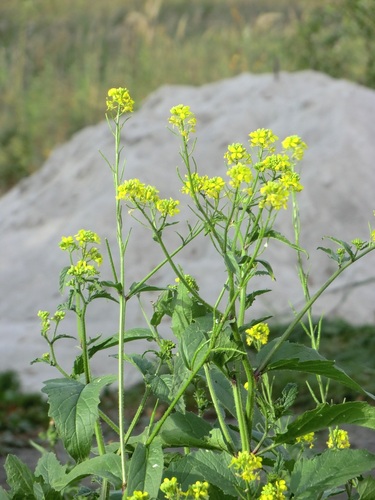
Mustards
Score: 5.5/10Brassica and Sinapis spp.
Common pasture weeds that cause gastrointestinal irritation and can lead to thyroid dysfunction if consumed in large quantities.
Narcissus
Score: 7.5/10Narcissus spp.
Spring-flowering bulbs containing alkaloids and crystals that cause intense gastrointestinal distress and potential cardiovascular failure.
Needlepoint Ivy
Score: 5.8/10Hedera helix 'Needlepoint'
An ornamental climbing vine that causes localized oral irritation and systemic gastrointestinal distress in grazing camelids.
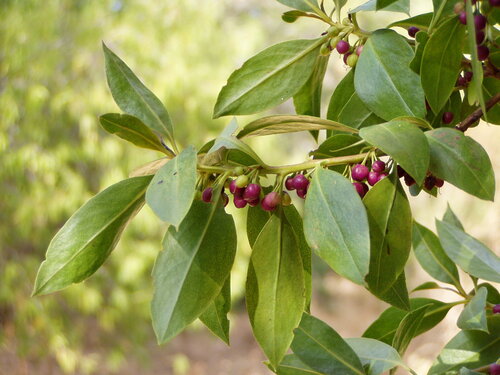
Ngaio
Score: 9.2/10Myoporum laetum
A highly toxic evergreen shrub that causes acute liver necrosis, often manifesting as severe secondary photosensitivity and facial swelling.
Nightshade
Score: 8.5/10Solanum spp.
Large group of weeds that disrupt the nervous system and cause catastrophic gastrointestinal inflammation in alpacas.
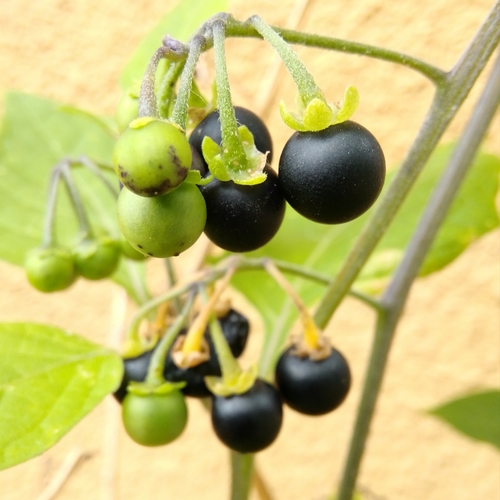
Nightshade (Black) Berry
Score: 8.2/10Solanum nigrum
Specific nightshade variant where green berries are particularly lethal; causes central nervous system depression and systemic digestive collapse.
Oak Brush
Score: 7.8/10Quercus spp.
Low-growing oak species that cause cumulative damage to the kidneys and gastrointestinal tract through ingestion of tannins.
Oak Leaves and Acorns
Score: 8/10Quercus spp.
Acorns and spring leaves contain tannins that cause severe, often fatal, renal failure and gastrointestinal ulceration.
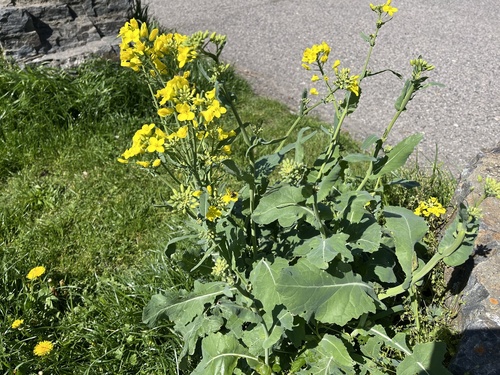
Oil Seed Rape
Score: 7/10Brassica napus
Commercial crop that can be highly toxic if grazed; causes pulmonary emphysema and oxidative damage to red blood cells.
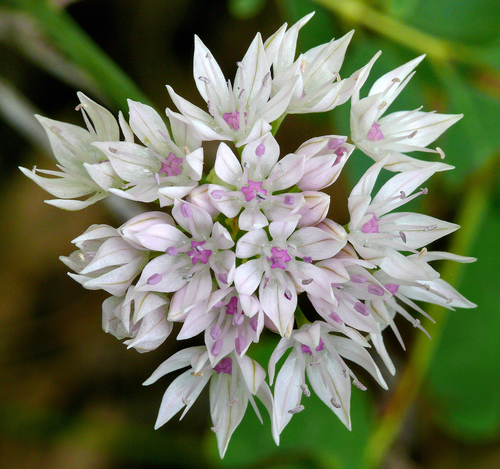
Onions
Score: 8/10Allium spp.
All parts of the onion plant cause oxidative destruction of red blood cells, leading to severe Heinz body anemia.
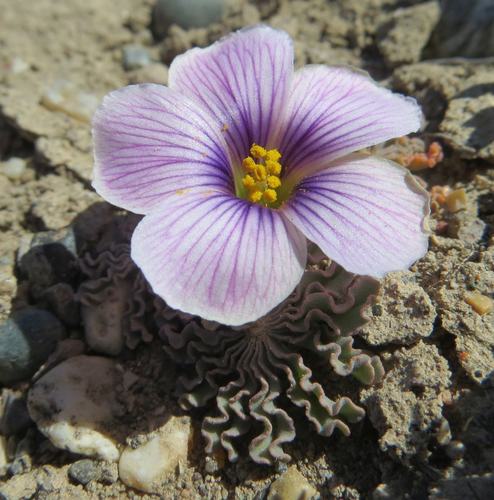
Oxalis
Score: 6.2/10Oxalis spp.
Common garden weed also called Wood Sorrel; high oxalate content can cause acute calcium deficiency and kidney crystal formation.
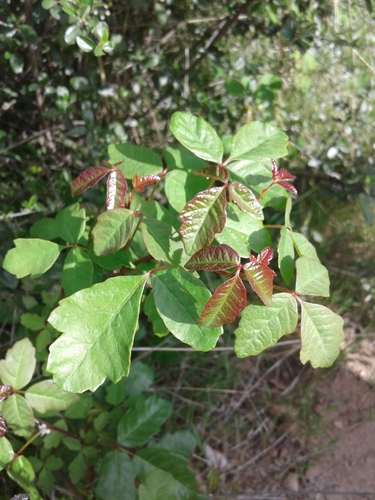
Pacific Poison Oak
Score: 4/10Toxicodendron diversilobum
While alpacas are less sensitive than humans, ingestion can cause localized irritation; major risk involves transferring oil to human handlers.

Pasque Flower
Score: 6.5/10Pulsatilla spp.
Contains an acrid oil that causes severe mechanical irritation and blistering to the mouth and gastrointestinal lining.
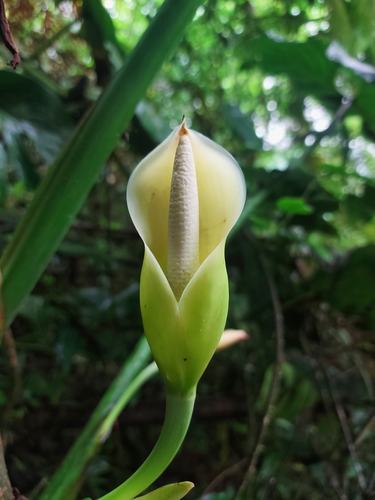
Philodendron
Score: 5.5/10Philodendron spp.
Popular houseplant containing needle-like crystals that cause immediate intense pain and swelling upon ingestion.

Pin Cherry
Score: 9.5/10Prunus pensylvanica
Wilted leaves release hydrogen cyanide, which prevents cellular respiration; ingestion is rapidly fatal in camelids.
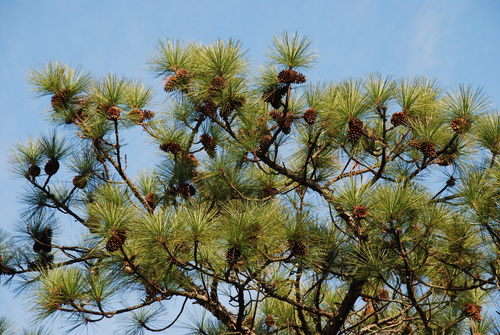
Pine
Score: 7/10Pinus spp. (notably P. ponderosa)
Consumption of needles, particularly from Ponderosa Pine, causes reduced uterine blood flow leading to reproductive failure in alpacas.
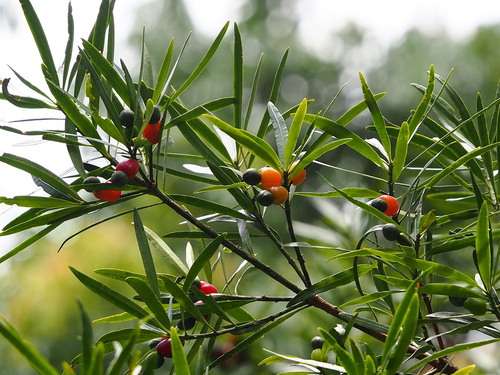
Podocarpus
Score: 6/10Podocarpus spp.
Common landscape evergreen that causes significant gastrointestinal irritation and distress if grazed by camelids.
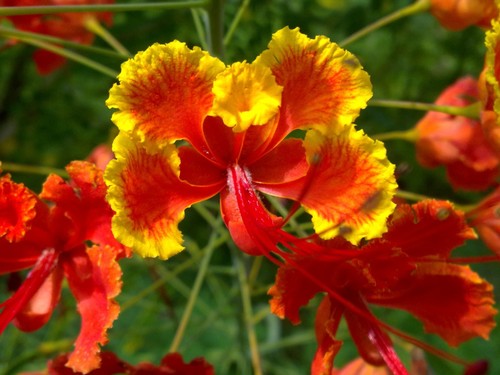
Poinciana
Score: 6.5/10Caesalpinia pulcherrima
Also known as Bird of Paradise bush, its seeds and pods cause intense gastrointestinal inflammation.
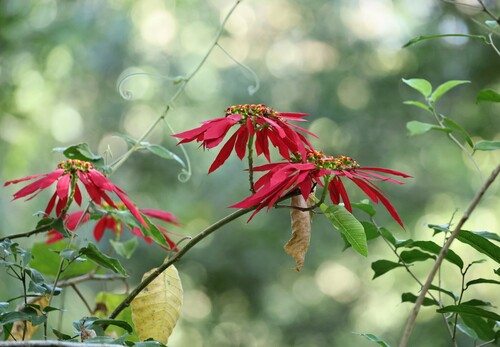
Poinsettia
Score: 4/10Euphorbia pulcherrima
The white sap acts as a caustic irritant; while often overestimated in toxicity, it causes painful mucosal lesions.
Poison Hemlock
Score: 10/10Conium maculatum
A highly lethal weed that causes rapid motor nerve paralysis, leading to respiratory arrest within hours.
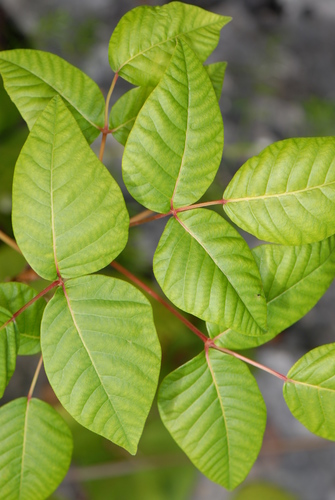
Poison Ivy
Score: 4/10Toxicodendron radicans
Contact or ingestion causes localized allergic inflammation; major risk is the transfer of oil to human handlers.
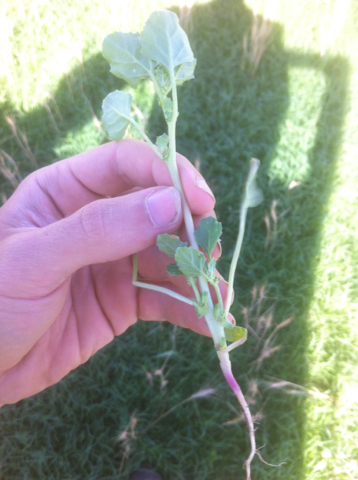
Poison Suckleys
Score: 9.2/10Suckleya suckleyana
A succulent weed of the western plains that can accumulate lethal levels of cyanide, particularly near water sources.
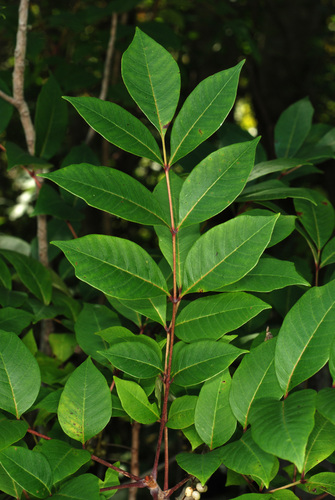
Poison Sumac
Score: 4/10Toxicodendron vernix
Wetland shrub causing severe contact irritation and gastrointestinal distress if the oily sap is ingested.
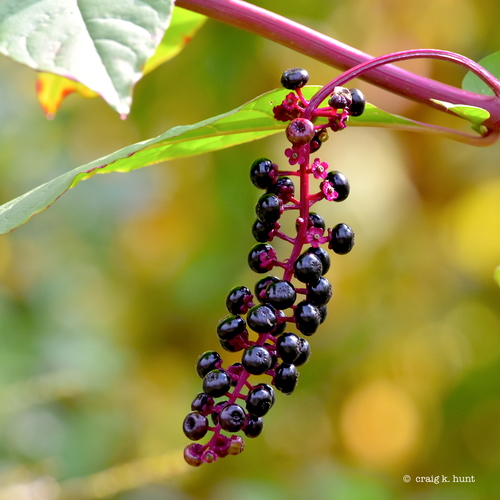
Pokeweed
Score: 8.5/10Phytolacca americana
Tall weed with dark berries; causes violent gastrointestinal inflammation and central nervous system depression.
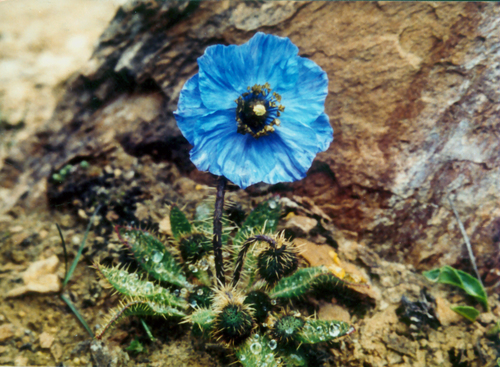
Poppy
Score: 8/10Papaver spp.
Contains alkaloids that act on the central nervous system, leading to profound sedation and potential respiratory failure.
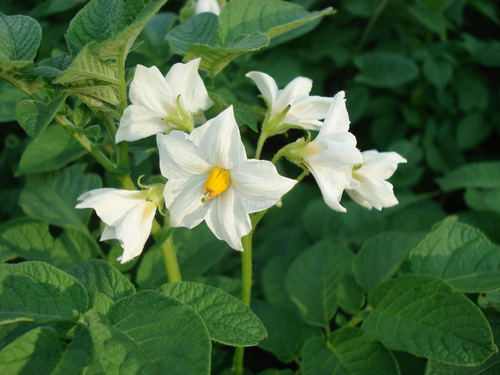
Potato Plant
Score: 7.5/10Solanum tuberosum
The green parts of the plant and tubers contain neurotoxins and gastrointestinal irritants characteristic of the nightshade family.
Pothos
Score: 5/10Epipremnum aureum
Popular houseplant with needle-like crystals that cause immediate mechanical pain and swelling of oral tissues.
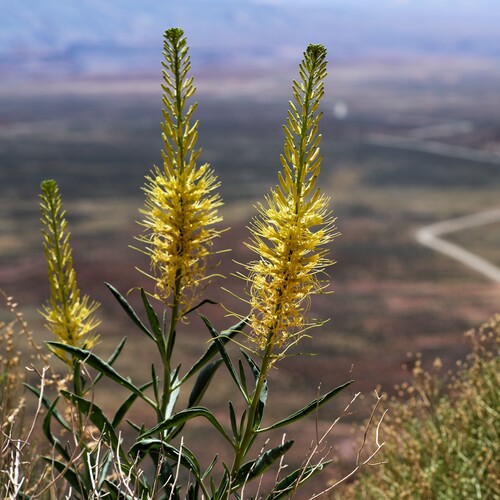
Prince's Plume
Score: 7/10Stanleya pinnata
A desert wildflower that concentrates selenium from the soil, leading to chronic poisoning and structural damage to fiber and hooves.
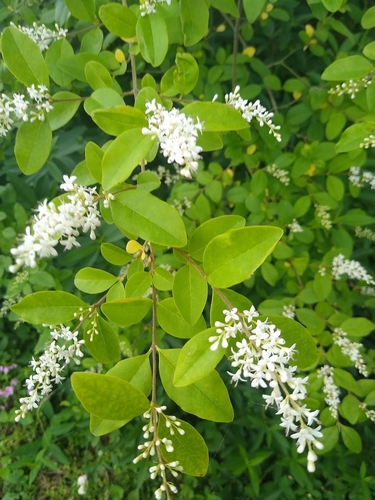
Privet
Score: 8/10Ligustrum spp.
Common hedging shrub containing toxins that cause acute gastrointestinal irritation and severe neurological failure.

Pyracantha
Score: 3.5/10Pyracantha spp.
Commonly known as Firethorn; while berries contain low levels of cyanide-producing compounds, the primary hazard is often mechanical injury from sharp thorns.
Ragwort
Score: 8.8/10Senecio jacobaea
A highly dangerous weed that causes cumulative, irreversible liver damage; toxic effects are often not seen until months after ingestion.
Rattlebox
Score: 8.5/10Crotalaria spp.
A legume weed that causes progressive liver scarring; seeds are particularly hazardous if contaminated into harvested hay or grain.
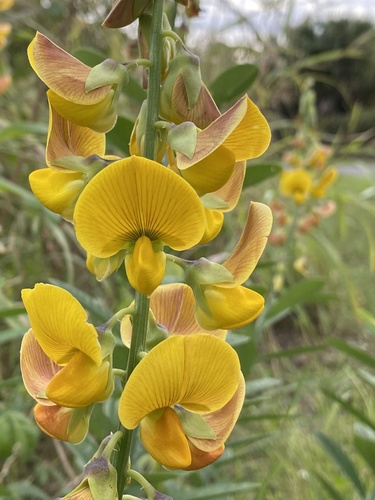
Rattleweed
Score: 8.5/10Astragalus spp.
Also known as Locoweed, this plant causes 'locoism'—a state of central nervous system dysfunction and potential addiction in grazing camelids.
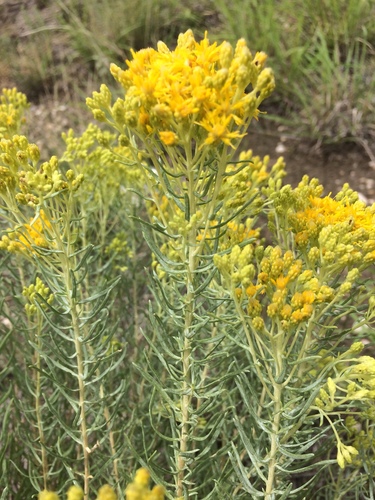
Rayless Goldenrod
Score: 8.2/10Isocoma pluriflora
Causes 'trembles' in livestock; the toxin is cumulative and can be passed through milk to nursing cria.
Rhododendron
Score: 9.2/10Rhododendron spp.
Highly toxic evergreen shrubs that disrupt sodium channels, severely affecting cardiac, skeletal, and gastrointestinal systems.
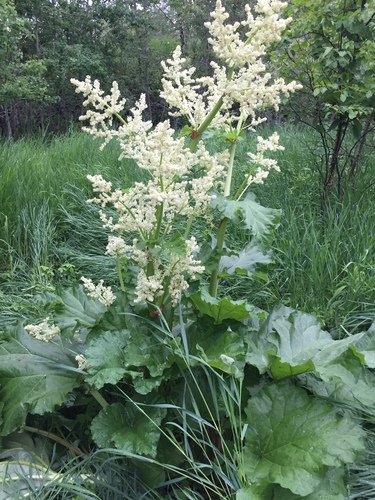
Rhubarb
Score: 7.5/10Rheum rhabarbarum
While the stalks are safe for humans, the leaves contain high concentrations of oxalates that cause acute renal damage in camelids.
Rock Poppy
Score: 7.8/10Papaver spp.
Wild or garden poppies containing opium-like alkaloids that act on the central nervous system, leading to profound depression.
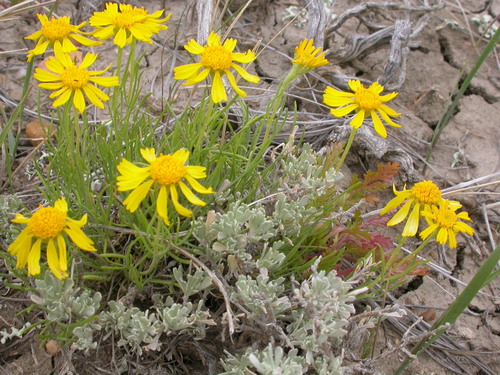
Rubberweed
Score: 8/10Hymenoxys spp.
Common rangeland weed in the Southwest that causes 'spewing sickness' due to severe irritation of the digestive tract.
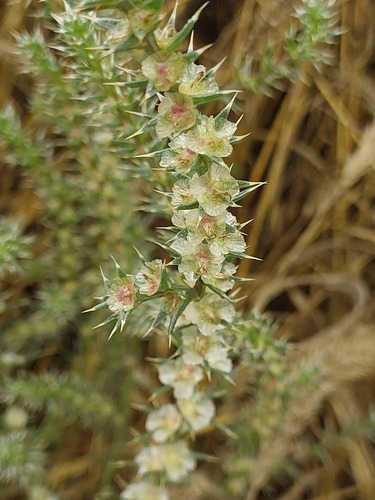
Russian Thistle
Score: 6/10Salsola tragus
Also known as tumbleweed; it can accumulate hazardous levels of nitrates and oxalates, particularly when growing in stressed conditions.
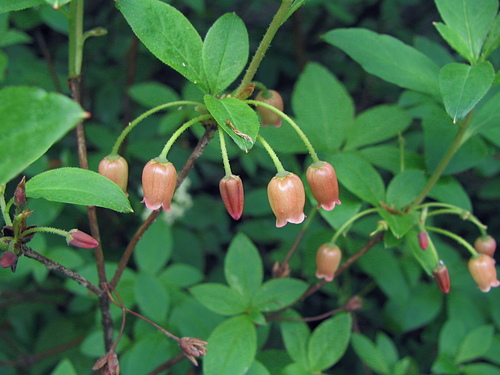
Rusty-Leaf
Score: 8.5/10Menziesia ferruginea
A woodland shrub related to Azaleas; its toxins cause severe heart rate depression and gastrointestinal shock in grazing animals.
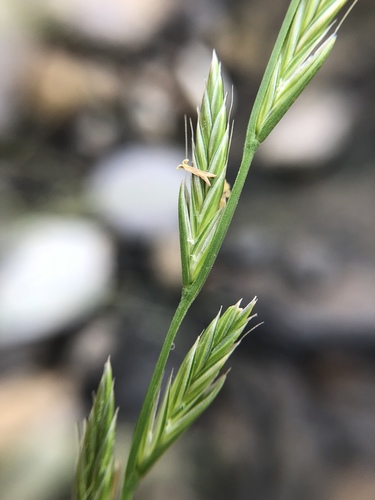
Rye Grass
Score: 6.5/10Lolium spp.
Perennial rye grass can host fungal endophytes that produce toxins affecting coordination; known commonly as 'Rye Grass Staggers.'
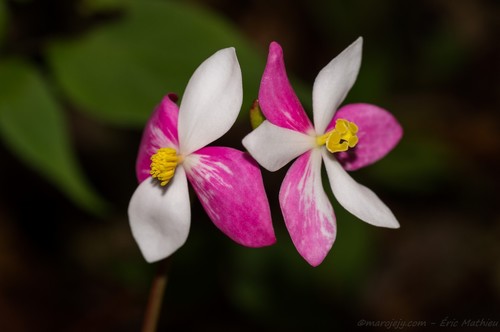
Sand Begonia
Score: 4.5/10Begonia spp.
Common garden begonia containing oxalates that cause localized burning in the mouth and potential systemic kidney irritation.
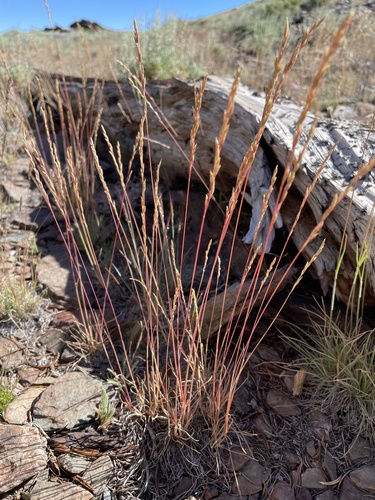
Sandberg Bluegrass
Score: 5/10Poa secunda
Generally safe, but can be dangerous if the seed heads are infected with Ergot fungi, which cause severe vasoconstriction.
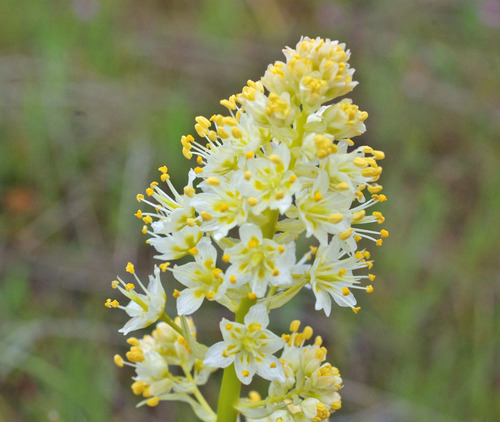
Sandcorn
Score: 9.8/10Zigadenus paniculatus
A type of Deathcamas; contains highly potent neurotoxins and cardiotoxins that lead to rapid-onset respiratory and circulatory failure.
Senecio
Score: 8.8/10Senecio spp.
A pervasive genus of yellow-flowered weeds causing cumulative, irreversible liver damage; symptoms often appear long after the plant was initially ingested.
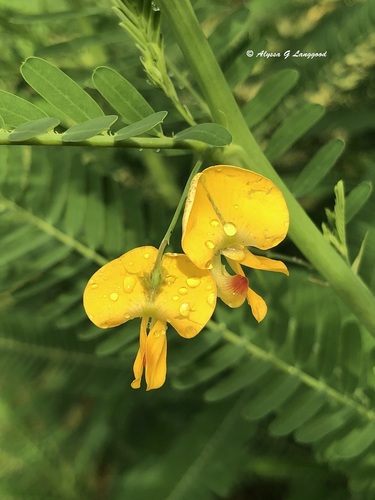
Sesbania
Score: 8/10Sesbania spp.
Leguminous weeds with seeds that cause severe irritation to the digestive tract and rapid cardiovascular collapse if consumed in large quantities.
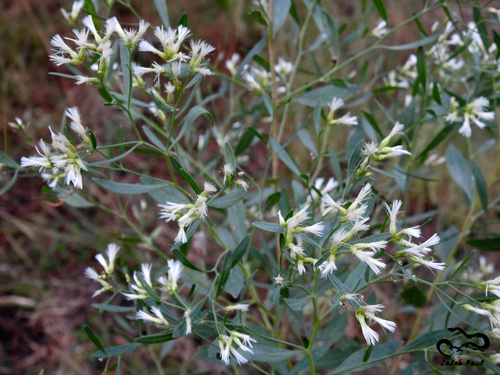
Silverling
Score: 7.5/10Baccharis halimifolia
Also known as Groundsel Tree, this shrub contains macrocyclic trichothecene mycotoxins that cause neurological distress and significant digestive irritation.
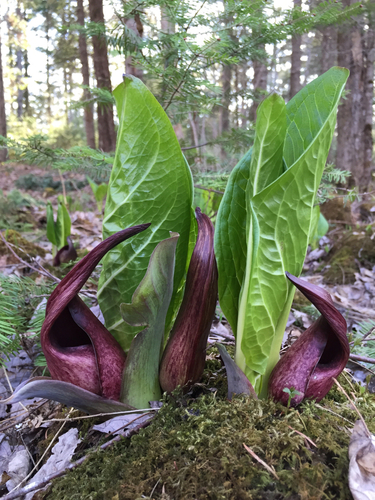
Skunk Cabbage
Score: 4.5/10Symplocarpus foetidus
A wetland plant containing needle-like crystals that cause immediate mechanical trauma to the mouth and throat upon ingestion.
Snakeberry
Score: 8/10Actaea spp.
Commonly known as Baneberry; contains caustic oils that cause severe gastrointestinal inflammation and can affect the central nervous system.
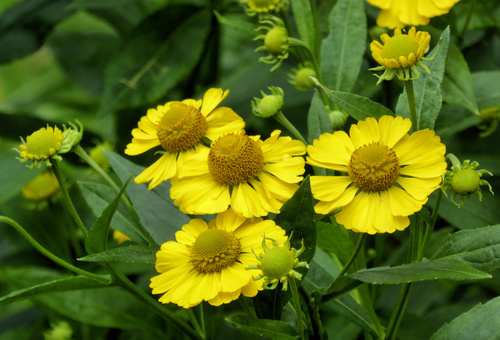
Sneezeweed
Score: 7.8/10Helenium spp.
Causes 'spewing sickness' in grazing animals due to intense irritation of the digestive lining and potential neurological impacts.
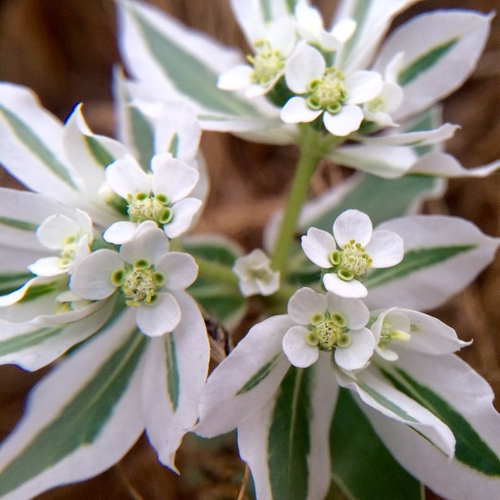
Snow-on-the-mountain
Score: 6/10Euphorbia marginata
A succulent whose sap is highly caustic, causing chemical burns to the digestive tract and sensitivity to sunlight.
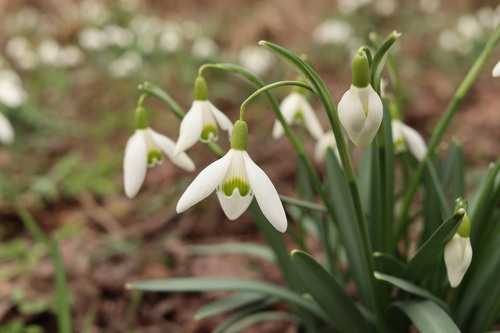
Snowdrops
Score: 5.5/10Galanthus nivalis
Spring-flowering bulbs that cause moderate gastrointestinal distress and localized irritation if the bulbs are unearthed and consumed.
Solanums
Score: 8.5/10Solanum spp.
A diverse genus including Nightshades that causes severe gastrointestinal irritation and depression of the central nervous system.
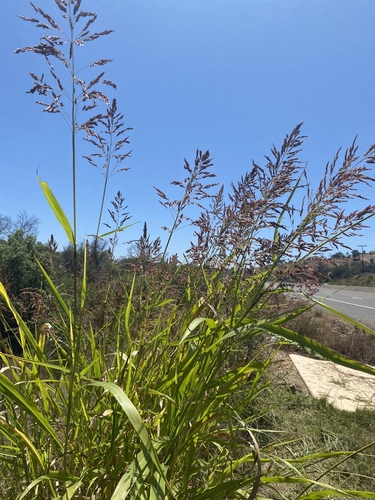
Sorghum
Score: 9.5/10Sorghum spp.
Grasses that can accumulate lethal cyanide and nitrates after environmental stress like frost or drought, causing rapid cellular asphyxiation.
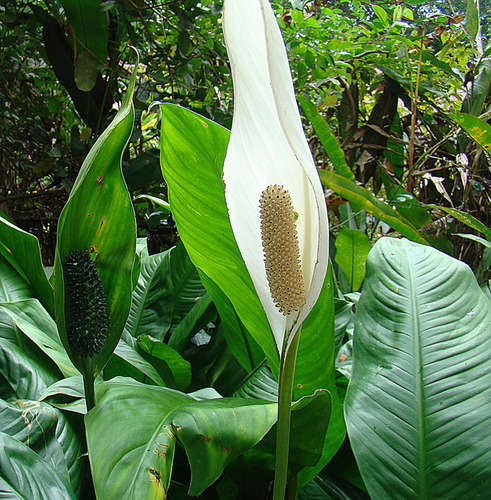
Spathe Flower
Score: 5/10Spathiphyllum spp.
Also known as the Peace Lily; causes immediate mechanical irritation to the mouth and throat upon contact.
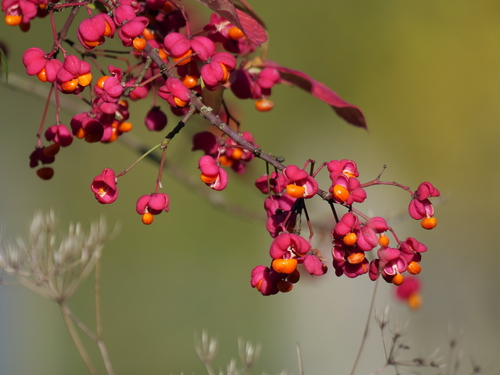
Spindle Tree
Score: 8.2/10Euonymus europaeus
Ornamental shrub containing toxins that affect both the cardiovascular and gastrointestinal systems, potentially leading to fatal seizures.
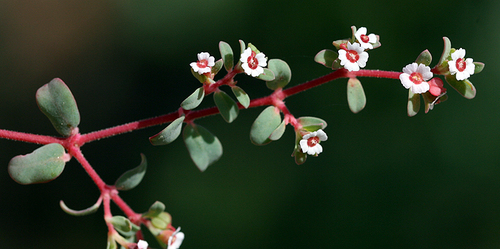
Spurges
Score: 6.5/10Euphorbia spp.
A large genus of plants that produce a caustic white sap, causing intense chemical irritation to all contacted tissues.
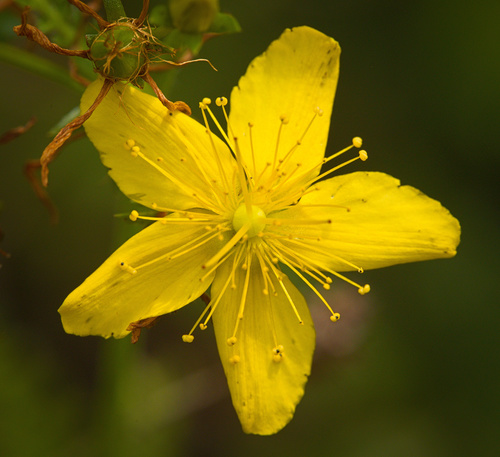
St. Johnswort
Score: 7.5/10Hypericum perforatum
Contains a pigment that causes severe sensitivity to sunlight on unpigmented or light-colored skin areas, leading to painful lesions.
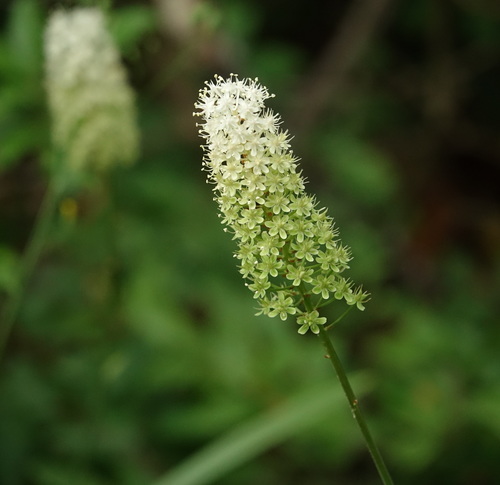
Stagger Grass
Score: 9/10Amianthium muscaetoxicum
Contains neurotoxic alkaloids similar to Death Camas, leading to rapid-onset incoordination and potential respiratory collapse.
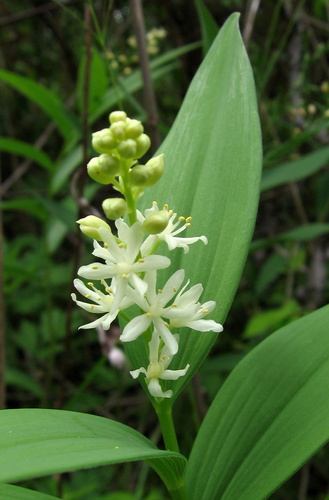
Star Lily
Score: 9.8/10Zigadenus spp.
Also known as Death Camas, this plant contains highly potent alkaloids that cause rapid cardiovascular and neurological collapse in camelids.
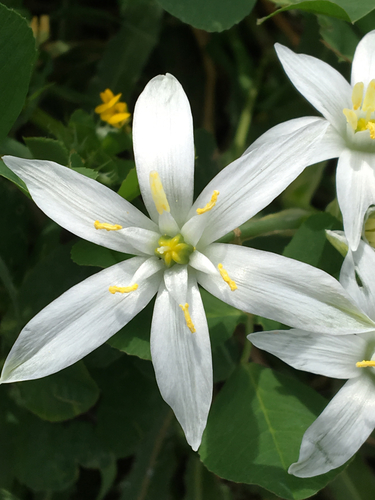
Star of Bethlehem
Score: 8.5/10Ornithogalum umbellatum
Common garden bulb containing digitalis-like compounds that affect heart rate and rhythm, potentially leading to fatal heart failure.
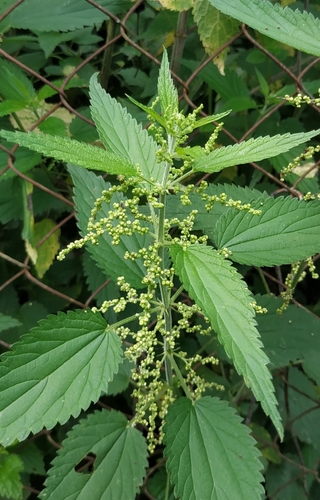
Stinging Nettles
Score: 4.5/10Urtica dioica
Hairs on the plant inject irritants upon contact; ingestion in large quantities can lead to systemic neurological distress.
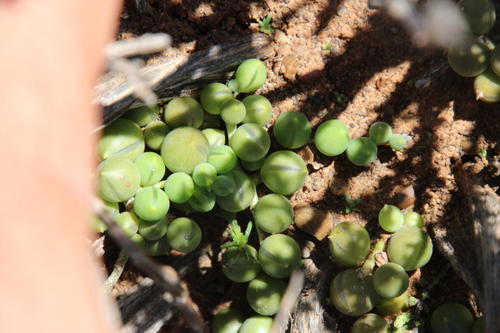
String of Pearls
Score: 8/10Curio rowleyanus
A popular trailing succulent that causes irreversible, cumulative liver damage if ingested over time by curious animals.
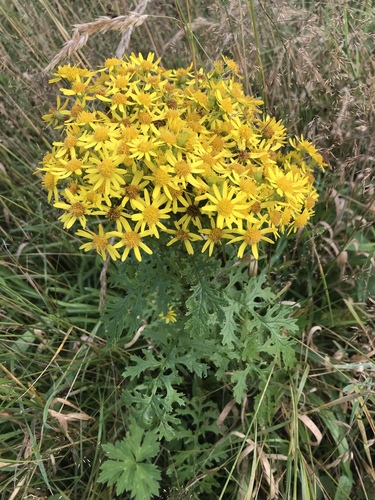
Tansy Ragwort
Score: 9/10Senecio jacobaea
Highly dangerous weed that causes cumulative and irreversible liver destruction; symptoms often manifest months after initial ingestion.
Thornapple
Score: 8.8/10Datura stramonium
Commonly known as Jimsonweed, this plant causes severe anticholinergic syndrome and disruption of the autonomic nervous system.
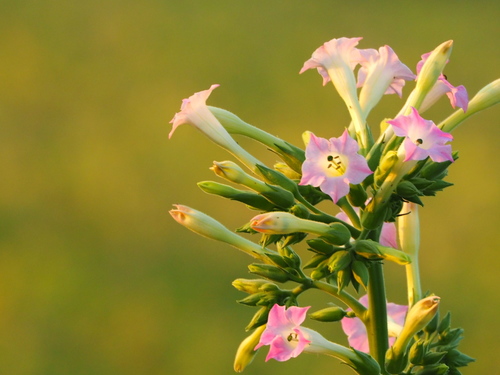
Tobacco
Score: 8.5/10Nicotiana tabacum
Contains potent alkaloids that initially stimulate and then paralyze the nervous system, leading to rapid-onset distress.
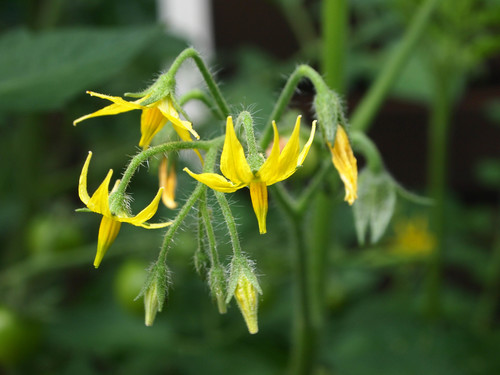
Tomato Plants
Score: 7.5/10Solanum lycopersicum
Part of the nightshade family; the green foliage contains glycoalkaloids that are highly irritating to the gastrointestinal tract.
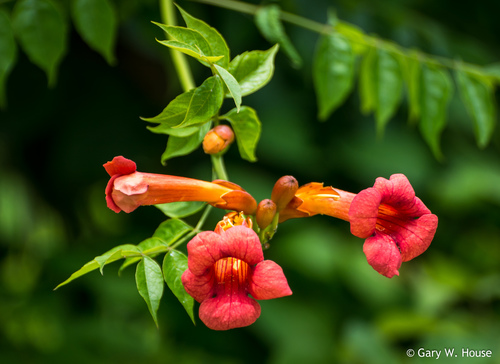
Trumpet Vine
Score: 4/10Campsis radicans
A vigorous climber that can cause localized skin and mouth irritation if grazed or handled by sensitive animals.
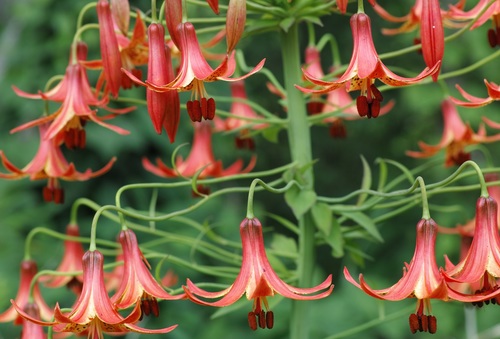
Tulip
Score: 6.5/10Tulipa spp.
Common spring bulbs containing allergenic lactones that cause intense gastrointestinal irritation and potentially systemic distress.
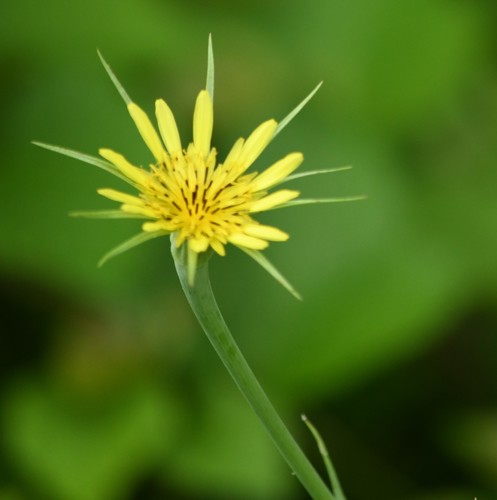
Tutu
Score: 10/10Coriaria spp.
A highly lethal shrub native to New Zealand; even small ingestions can cause catastrophic neurological overstimulation and death.
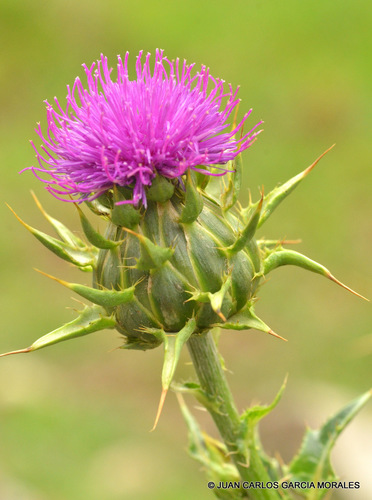
Variegated Thistle
Score: 8/10Silybum marianum
Accumulates nitrates from the soil; ingestion leads to the formation of methemoglobin, preventing the blood from carrying oxygen.
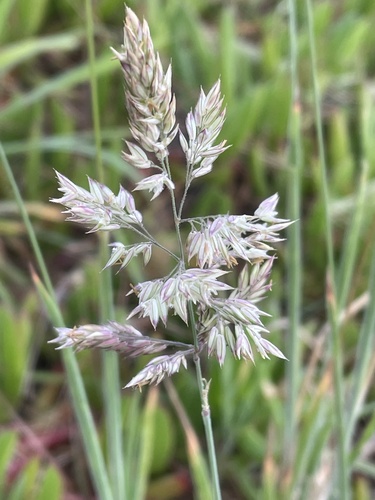
Velvet Grass
Score: 7.5/10Holcus lanatus
Common pasture grass that can release lethal cyanide when stressed by frost, drought, or wilting.
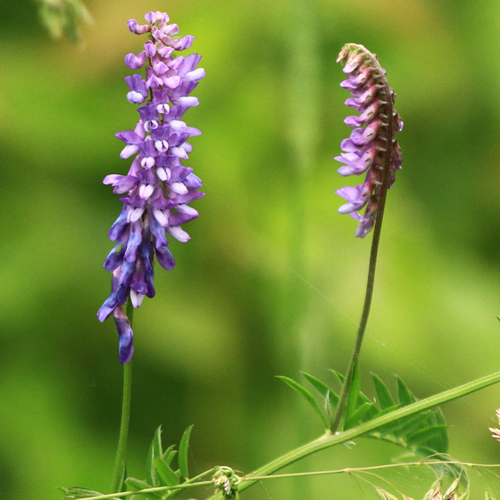
Vetch
Score: 7/10Vicia spp.
Depending on species, can cause acute cyanide poisoning or a chronic systemic inflammatory condition known as vetch toxicosis.
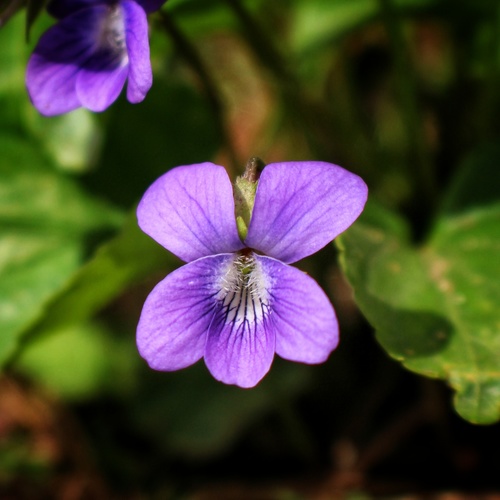
Violet Seeds
Score: 5/10Viola spp.
While flowers are generally safe, the seeds and roots contain alkaloids that cause significant digestive upset in camelids.
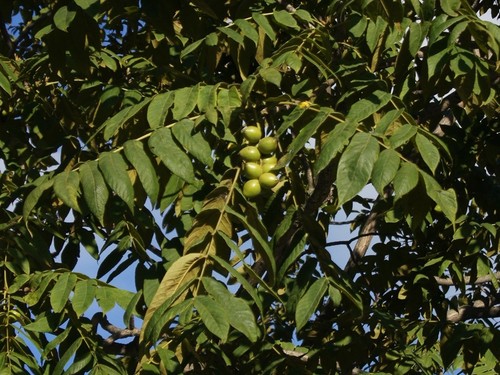
Walnut
Score: 8/10Juglans spp.
Black Walnut shavings used as bedding are a primary cause of severe laminitis; ingestion of hulls also causes significant systemic distress.
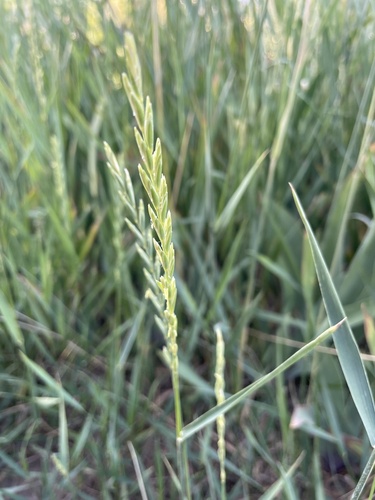
Western Wheatgrass
Score: 5.5/10Pascopyrum smithii
Generally a safe forage, but can harbor ergot fungi which cause severe vasoconstriction and potential loss of ears, tails, or hooves.
White Cohosh
Score: 8.5/10Actaea pachypoda
A woodland plant also called 'Doll's Eyes'; it contains irritants that cause catastrophic gastrointestinal inflammation and cardiac stimulation.
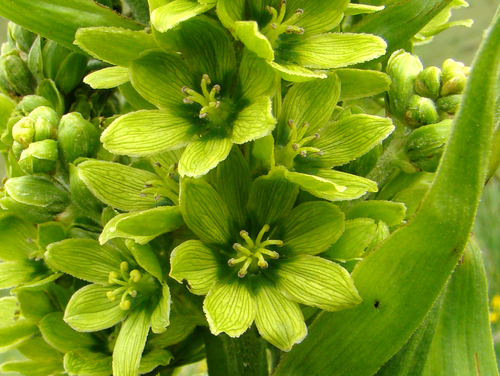
White Hellebore
Score: 9.5/10Veratrum album
Contains potent alkaloids that cause dangerous slowing of the heart rate and severe birth defects if consumed by pregnant dams.
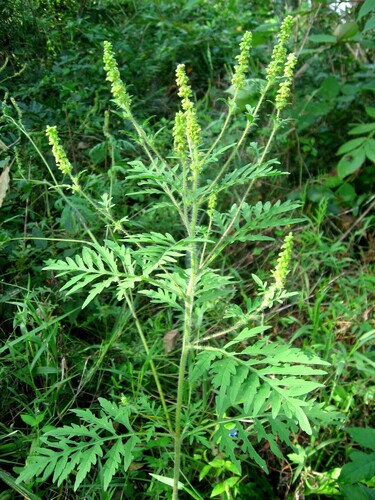
White Ragweed
Score: 4.5/10Ambrosia artemisiifolia
Causes localized irritation to the skin and mouth; rarely lethal but leads to significant discomfort and reduced grazing efficiency.
White Snakeroot
Score: 8.8/10Ageratina altissima
The cumulative toxin tremetol causes 'the trembles' and lethal heart damage; it can be passed through milk to nursing cria.
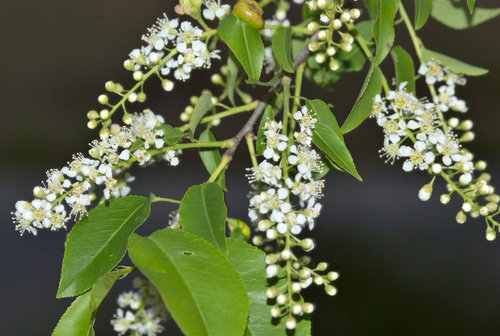
Wild Black Cherry
Score: 9.5/10Prunus serotina
Wilted foliage releases hydrogen cyanide, which prevents cellular oxygen utilization; death usually occurs within minutes of significant ingestion.
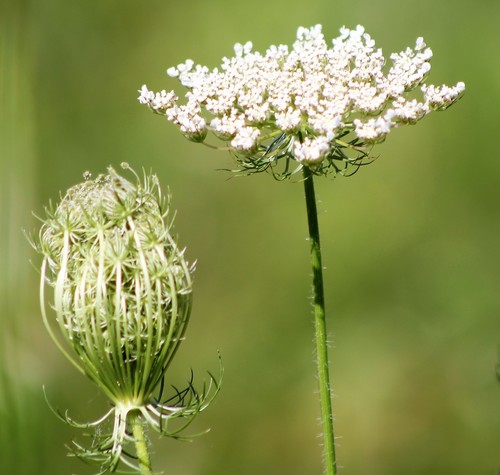
Wild Carrots
Score: 6/10Daucus carota
Also known as Queen Anne's Lace; ingestion causes skin sensitivity to UV light, leading to painful burns on unpigmented skin.
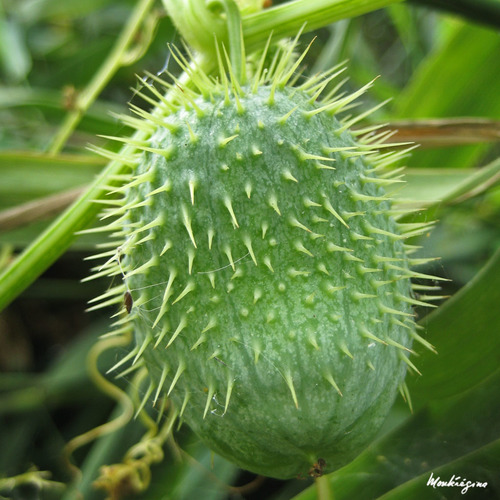
Wild Cucumber
Score: 5/10Echinocystis lobata
A climbing vine with prickly fruit that acts as a potent purgative, causing significant gastrointestinal distress and fluid loss.
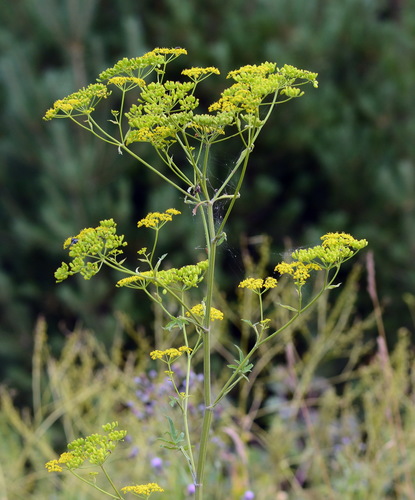
Wild Parsnip
Score: 7.5/10Pastinaca sativa
The sap causes intense UV-activated chemical burns (phytophotodermatitis) upon contact with skin or mucous membranes.
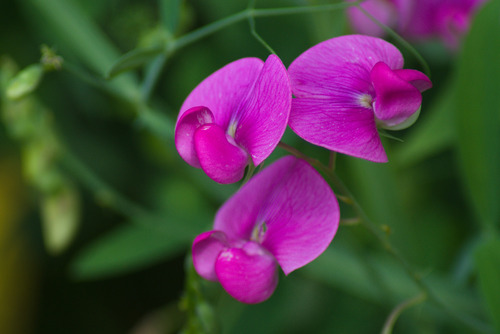
Wild Peas
Score: 8/10Lathyrus spp.
Chronic ingestion causes lathyrism, a condition characterized by progressive neurological and skeletal damage in camelids.
Wild Plums
Score: 9.5/10Prunus spp.
Similar to cherries, wilted plum leaves release lethal levels of cyanide, inhibiting the animal's ability to utilize oxygen.
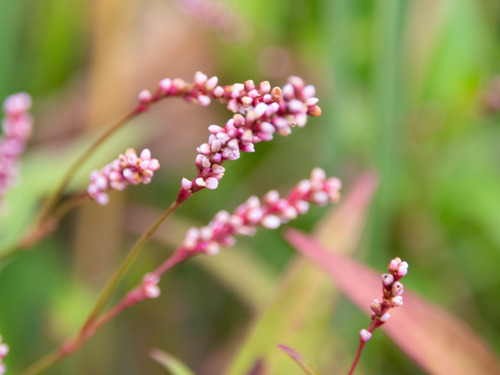
Willow Weed
Score: 6.2/10Persicaria spp.
Smartweed species that can cause mechanical and chemical irritation to the gut and occasionally secondary photosensitivity.
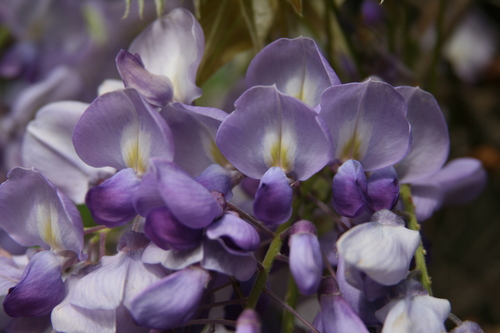
Wisteria
Score: 7.8/10Wisteria spp.
An ornamental vine where the pods and seeds are highly toxic, causing intense and potentially fatal gastrointestinal inflammation.
Wolfsbane
Score: 10/10Aconitum spp.
One of the most lethal plants in existence; aconitine causes rapid-onset heart failure and paralysis of the respiratory system.
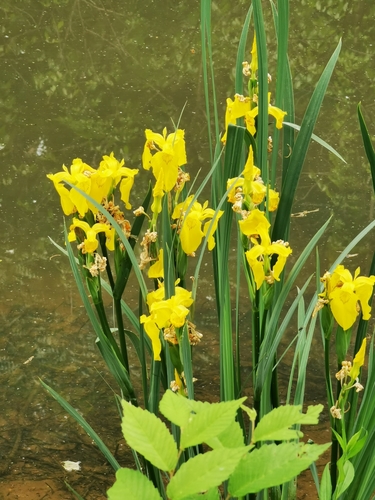
Yellow Flag
Score: 6/10Iris pseudacorus
An invasive wetland iris containing glycosides that act as a potent purgative, causing severe gastrointestinal inflammation if ingested by grazing alpacas.
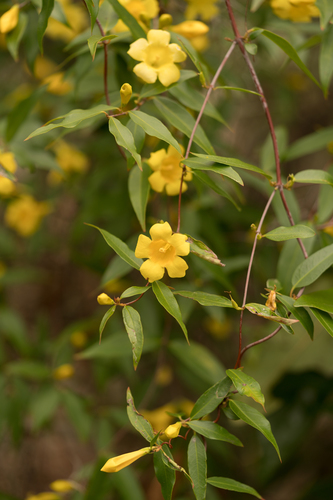
Yellow Jasmine
Score: 9/10Gelsemium sempervirens
A highly toxic climbing vine containing neurotoxic alkaloids that can cause rapid respiratory depression and central nervous system failure in camelids.
